

Listen to the article
The State Audit Institution of the United Arab Emirates has signed two memorandums of understanding with oversight and anti-corruption bodies in the Republic of Ecuador, aimed at strengthening cooperation in audit and oversight fields while reinforcing integrity and developing joint anti-corruption efforts. The agreements mark a significant step in expanding international partnerships between the UAE and Latin American nations in governance and transparency matters.
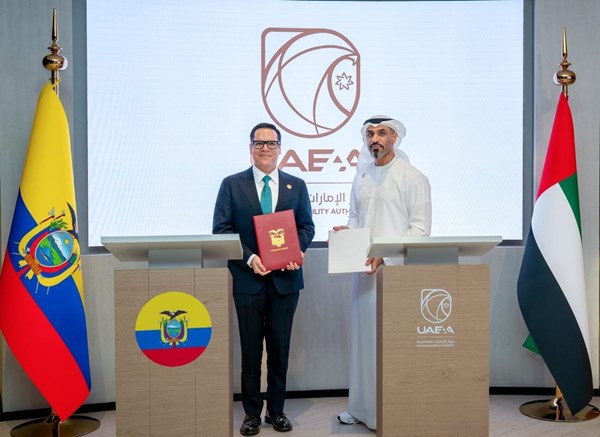
According to the official Emirates News Agency (WAM), the first memorandum was signed with the Office of the Comptroller General of Ecuador during a meeting between His Excellency Hamid Obaid Aboshabs, President of the State Audit Institution of the UAE, and Dr. Mauricio Torres, Comptroller General of Ecuador, along with the accompanying delegation. The second agreement was concluded with the Public Integrity Office of the Republic of Ecuador in the presence of José Julio Nera Hanze, Secretary General of Public Integrity.
Enhancing International Audit Cooperation
The memorandums of understanding establish a framework for enhanced collaboration between Emirati and Ecuadorian oversight bodies in multiple areas of mutual interest. The agreements focus on sharing best practices in audit methodologies, developing technical expertise, and coordinating efforts to combat financial irregularities and corruption across borders.
These partnerships reflect the State Audit Institution’s commitment to expanding its international presence within the global audit and oversight community. By forging ties with counterpart organizations worldwide, the UAE institution aims to contribute to strengthening accountability frameworks and promoting good governance principles internationally.
Strengthening Transparency and Accountability Systems
The agreements with Ecuador are part of a broader strategy by the UAE to reinforce transparency and accountability mechanisms through international cooperation. Such partnerships enable participating institutions to exchange technical knowledge, coordinate on cross-border investigations, and develop harmonized standards for financial oversight and integrity promotion.
Additionally, the collaboration addresses the increasingly global nature of financial governance challenges. As economies become more interconnected, oversight bodies require robust international networks to effectively monitor public resources and prevent corruption that often transcends national boundaries.
Building Bridges Between UAE and Ecuador
The signing of these memorandums represents a notable development in bilateral relations between the UAE and Ecuador beyond traditional diplomatic and trade channels. The focus on integrity and anti-corruption cooperation demonstrates both nations’ commitment to implementing international best practices in public sector governance.
Meanwhile, Ecuador has been working to strengthen its own oversight and anti-corruption institutions in recent years. The partnership with the UAE State Audit Institution provides Ecuadorian authorities access to expertise from a rapidly developing international financial center known for implementing advanced governance systems.
Implications for Regional Audit Standards
The cooperation agreement may serve as a model for similar partnerships between Middle Eastern and Latin American oversight bodies. By establishing formal channels for knowledge exchange and technical cooperation, the memorandums could facilitate broader regional dialogue on audit standards and anti-corruption strategies.
Furthermore, these agreements align with international initiatives promoted by global organizations such as the International Organization of Supreme Audit Institutions (INTOSAI). Such multilateral frameworks encourage national audit bodies to develop bilateral and regional partnerships that strengthen the worldwide audit and oversight community.
The State Audit Institution has not announced specific timelines for implementing joint programs under these agreements. However, similar memorandums typically include provisions for regular consultations and technical exchanges that commence within months of signing.