



Listen to the article
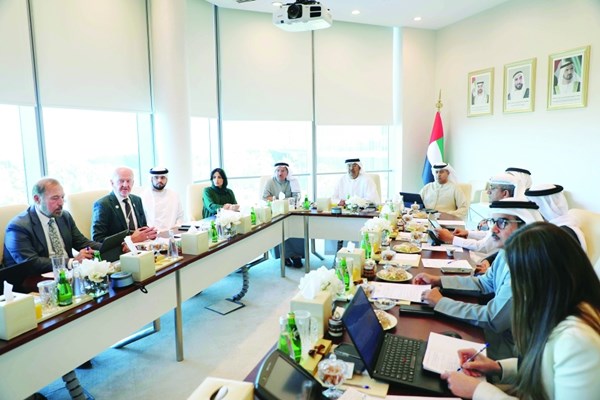
The Federal Authority for Nuclear Regulation in the United Arab Emirates has approved its strategic plan for 2027-2029 during its first board meeting of 2026. The meeting, held at the authority’s headquarters in Abu Dhabi, addressed the nuclear regulation strategy alongside the 2026 work plan and various topics related to regulatory oversight in the country’s nuclear and radiological sector.
According to the authority, the board of directors endorsed the comprehensive strategy that will serve as a roadmap for strengthening the UAE’s nuclear and radiological regulatory framework in alignment with national priorities. The strategic framework encompasses three main pillars including nuclear governance and regulatory leadership, nuclear and radiological safety and security, and emergency preparedness and response for nuclear and radiological incidents.
Nuclear Regulation Strategy Focuses on Enhanced Oversight
The newly approved nuclear regulation strategy emphasizes improving regulatory effectiveness and establishing the highest standards of security and safety across all supervised activities. Additionally, the plan prioritizes supporting scientific research and developing Emirati talent within the sector. The strategy also aims to expand cooperation with national and international partners while ensuring readiness to accommodate emerging technologies and future challenges in the nuclear industry.
Government Bureaucracy Reduction Program Shows Results
The authority presented its 2026 Government Bureaucracy Zero program to the board, which aligns with UAE government directives. The initiative aims to redesign 12 core services provided to licensees, according to the meeting agenda. During 2025, the authority developed five major services under the program’s third cycle, resulting in significant improvements that reduced transaction completion time by more than 50 percent.
Meanwhile, board members received a briefing on the operational status of the Barakah Nuclear Power Plant, including scheduled maintenance timelines for each unit. The regulatory authority continues conducting routine inspections at the facility to verify operator compliance with regulatory requirements and ensure continued safe and secure plant operations.
Research and Radiation Protection Initiatives Advanced
The board approved the authority’s regulatory research program for 2026 and 2027, designed to support continuous development of the regulatory framework through specialized research. The program covers nuclear safety, radiation protection, environmental studies, severe accident analysis, and emerging technologies in collaboration with local and international partners. However, the initiative particularly emphasizes growing participation of Emirati professionals and focuses on converting research outputs into practical regulatory applications that support evidence-based decision-making.
Radiation Protection Committee Achievements Highlighted
The board reviewed key accomplishments of the Radiation Protection Committee during 2025, which demonstrated notable progress in strengthening the national radiation protection framework. Achievements included adopting national guidelines for diagnostic reference dose levels, developing referral and qualification frameworks, and launching initiatives to address orphan radioactive sources. In contrast to previous years, the committee enhanced coordination in environmental monitoring and dose measurement areas.
Furthermore, the committee contributed to elevating national preparedness for radiological emergency response and supported capacity building through accredited workshops and training programs. The radiation safety initiatives reflect the UAE’s commitment to maintaining international standards in nuclear and radiological oversight while protecting public health and the environment.
The Federal Authority for Nuclear Regulation is expected to implement the approved 2027-2029 strategy throughout the coming years, though specific timelines for individual initiatives within the nuclear regulation framework were not detailed during the board meeting.