


Listen to the article
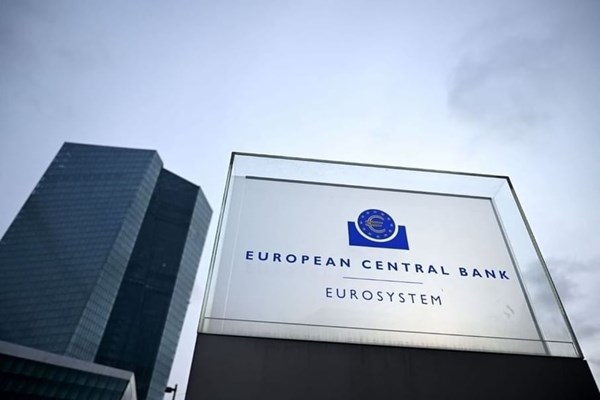
The European Central Bank held interest rates steady today as the eurozone economy continues to demonstrate modest but resilient growth despite disruptions from U.S. tariffs. The decision to keep the European Central Bank interest rates unchanged comes as the 21-member bloc navigates a challenging global environment while maintaining economic stability.
The central bank maintained its deposit rate at 2 percent, a level that has remained constant since June of last year. This follows a series of cuts from a peak of 4 percent in mid-2024, according to the bank’s official statement.
ECB President Highlights Economic Resilience
European Central Bank President Christine Lagarde emphasized the economy’s durability during her press conference opening remarks. She noted that growth is supported by declining unemployment rates, increased government spending on defense and infrastructure, and the impact of previous interest rate cuts.
However, Lagarde acknowledged that the external environment remains challenging due to rising tariffs and the strength of the euro. These factors continue to create headwinds for the currency bloc despite domestic economic improvements.
Lower Rates Stimulate Housing and Credit Markets
The reduced interest rates have successfully revitalized mortgage lending for home purchases and financing for new construction projects, according to market observers. Lower credit costs have bolstered economic activity across the region, while decreased unemployment has strengthened consumer demand.
Additionally, this combination of factors has maintained economic strength without requiring further rate reductions. Analysts suggest that the monetary authority in the eurozone may keep the European Central Bank interest rates unchanged until 2027.
Eurozone Growth Exceeds Expectations
The eurozone economy recorded growth of 0.3 percent during the final quarter of 2025, surpassing forecasts. Meanwhile, various estimates project overall growth of 1.3 percent for the current year, signaling continued economic expansion.
Growth prospects have improved with expectations of increased spending on infrastructure and defense in Germany, the bloc’s largest economy. These infrastructure investments are expected to provide additional momentum to regional economic performance.
France Resolves Budget Uncertainty
In France, the approval of the 2026 budget has eliminated uncertainty that previously clouded the second-largest economy in the region. Prime Minister Sébastien Lecornu employed exceptional powers to pass the budget without a parliamentary vote after lengthy negotiations, according to French government sources.
In contrast to earlier concerns about inflation, the rate has fallen below the European Central Bank’s 2 percent target. Inflation registered 1.7 percent in January, indicating that price pressures have eased considerably.
Future Monetary Policy Outlook
Economists anticipate that the bank will maintain current interest rate levels until accelerating growth necessitates raising them again. This potential rate increase could occur around mid-2027 as part of inflation-fighting measures through increased credit costs and reduced demand.
The decision to hold rates reflects the central bank’s assessment that the eurozone economy remains on a stable trajectory. Lower borrowing costs continue to support housing markets and business investment while unemployment trends remain favorable for consumer spending.
The European Central Bank’s next policy meeting will provide further clarity on the timeline for any potential rate adjustments, though authorities have not confirmed specific dates for future changes. Market participants will closely monitor economic data in coming months to assess whether growth acceleration justifies monetary policy tightening.