




Listen to the article
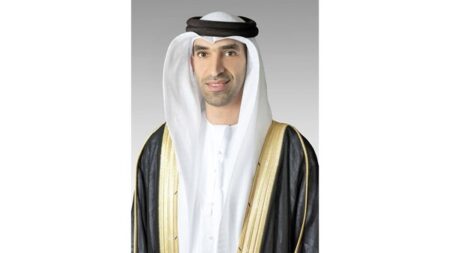
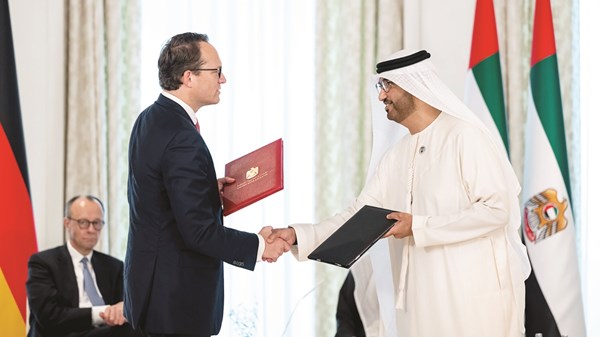
Abu Dhabi Future Energy Company, known as Masdar, has signed a memorandum of understanding with German energy giant RWE to advance renewable energy adoption and develop energy infrastructure in Germany and across Europe. The energy storage partnership agreement was exchanged during a visit by the German Chancellor to the United Arab Emirates, with Dr. Sultan Ahmed Al Jaber, UAE Minister of Industry and Advanced Technology and Chairman of Masdar’s Board, and Dr. Markus Krebber, CEO of RWE, representing their respective organizations.
According to the agreement, both companies will continue investing in and exploring opportunities in battery energy storage systems in Germany. The collaboration aims to leverage energy storage technology to support the transition to cleaner power sources across European markets.
Battery Energy Storage Systems to Reach 1 Gigawatt by 2030
Under the terms of the memorandum, Masdar will explore investment opportunities in existing RWE-owned energy storage projects in Germany, targeting a combined capacity of 1 gigawatt by 2030. This represents a significant commitment to expanding energy storage infrastructure in one of Europe’s largest power markets.
Additionally, the two companies will investigate opportunities to collaborate on developing new battery energy storage systems with a capacity of up to 1 gigawatt by 2035. These ambitious targets reflect the growing recognition of energy storage as critical infrastructure for renewable energy integration.
Addressing Renewable Energy Challenges
Energy storage systems play a vital role in expanding renewable energy adoption by addressing supply intermittency issues inherent to wind and solar power. According to industry experts, these systems ensure stable, secure, and affordable electricity supplies in Germany while meeting increasing demand from new data centers requiring reliable power sources.
The technology enables grid operators to store excess electricity generated during periods of high renewable output and discharge it when demand exceeds supply. This capability is essential for maintaining grid stability as countries increase their reliance on variable renewable energy sources.
Long-Standing Partnership Between Masdar and RWE
Mohamed Jameel Al Ramahi, CEO of Masdar, stated that battery energy storage systems constitute a fundamental component for expanding renewable energy reliance and ensuring clean, reliable, and affordable electricity for consumers, businesses, and communities. He emphasized that Germany represents an important market supporting Masdar’s efforts to increase its global project portfolio capacity to 100 gigawatts by 2030.
However, this is not the first collaboration between the two energy companies. The long-term partnership between RWE and Masdar began in 2008 through their joint investment in the London Array offshore wind project, which remains one of the world’s largest operational offshore wind farms.
Meanwhile, just last month, both companies secured contracts for difference for the Dogger Bank South offshore wind project in the United Kingdom. This mechanism represents the primary tool the UK government uses to support development of large-scale, low-carbon electricity projects.
Major Offshore Wind Investment in the United Kingdom
The Dogger Bank South project comprises two installations with 1.5 gigawatt capacity each—the East Array and West Array—with a total investment value of 11 billion British pounds. In contrast to many smaller renewable projects, this development ranks among the largest offshore wind projects currently under development in the United Kingdom.
The partnership demonstrates how international collaboration between Middle Eastern and European energy companies can accelerate the renewable energy transition. Furthermore, it highlights the UAE’s growing role as a major investor in global clean energy infrastructure beyond its borders.
Both companies are expected to finalize detailed investment agreements for the German energy storage projects in the coming months, though specific timelines for individual project deployments have not been confirmed by either organization.