



Listen to the article
Scientists at the University of Bonn have discovered that consuming oats for just two days can significantly lower cholesterol levels and support metabolic function, with benefits lasting for several weeks. The research, published in Nature Communications, offers promising evidence for the role of oats in managing metabolic syndrome through dietary intervention. This finding highlights how a brief oat-based diet may provide lasting health improvements for individuals struggling with cardiovascular and metabolic concerns.
The study involved 68 participants diagnosed with metabolic syndrome, a condition characterized by a combination of excess weight, high blood pressure, and abnormal sugar and fat levels in the blood. According to the research team, participants who consumed oats almost exclusively for two days experienced a 10% reduction in harmful cholesterol levels, lost an average of approximately 2 kilograms, and showed decreased blood pressure readings.
Long-Term Benefits of Oats for Cholesterol Management
Remarkably, the positive effects of the two-day oat intervention persisted for up to six weeks after the dietary change. The researchers attribute these sustained benefits to oats stimulating the growth of beneficial gut bacteria that produce substances affecting cholesterol metabolism. Additionally, ferulic acid present in oats helps regulate fat levels, while breakdown products of the amino acid histidine reduce the risk of insulin resistance, a primary contributor to diabetes development.
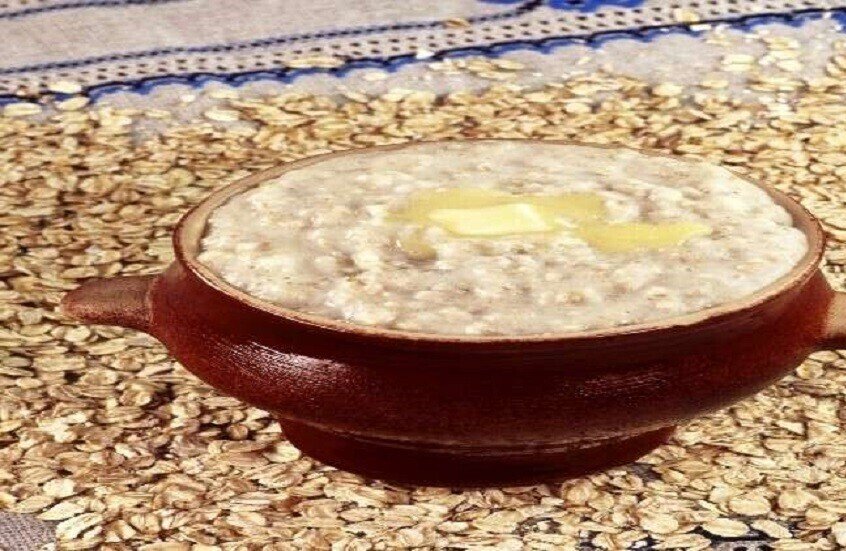
Meanwhile, the control group in the study followed a low-calorie diet without oats and showed less pronounced improvements. Participants in the oat group consumed 300 grams of oatmeal cooked in water, accompanied by small amounts of fruits or vegetables, three times daily. In contrast, a longer and less intensive regimen involving only 80 grams of oats daily produced negligible effects on cholesterol levels.
Rigorous Scientific Methodology
To prevent bias in evaluating results, the research team employed blind sampling techniques for biological materials including blood and stool samples, as well as physiological measurements such as blood pressure and weight. Scientists conducting the assessments were unaware whether samples belonged to participants in the experimental or control groups, ensuring objective analysis of the oat consumption effects.
The researchers conducted five separate evaluations throughout the study period. The first assessment occurred before any dietary changes, followed immediately by a second evaluation after the two-day oat diet. Three additional evaluations took place at two-week, four-week, and six-week intervals thereafter.
How Oats Impact Metabolic Health
At each evaluation point, according to the study protocol, the team recorded key health indicators including blood pressure, weight, height, waist circumference, and body fat percentage. Blood and stool samples provided additional data on metabolic changes. However, the parallel study examining daily consumption of 80 grams of oatmeal over six weeks did not produce the same dramatic cholesterol-lowering effects as the intensive two-day intervention.
The research indicates that oats work by fundamentally altering the gut microbiome and metabolic processes. These changes contribute to lowering elevated cholesterol and supporting cardiovascular health. The beta-glucan fiber found in oats plays a crucial role in these beneficial effects by promoting healthy gut bacteria populations.
Implications for Dietary Interventions
The findings suggest that short-term, intensive dietary modifications may prove more effective than longer-term, lower-dose approaches for certain metabolic conditions. This challenges conventional assumptions about gradual dietary changes and opens new possibilities for therapeutic dietary interventions. Nevertheless, experts caution that such intensive dietary changes should be undertaken under medical supervision, particularly for individuals with existing health conditions.
The University of Bonn researchers emphasize that a brief oat-based diet can modify the microbiome and metabolism in ways that support vascular health and cholesterol management. These benefits extend well beyond the intervention period itself, offering a potentially accessible strategy for managing metabolic syndrome components.
Further research is expected to investigate optimal timing and frequency for oat-based dietary interventions, as well as long-term sustainability of the metabolic improvements observed. The research team has not yet announced plans for expanded clinical trials or specific protocols for implementing these findings in clinical practice.