

Listen to the article
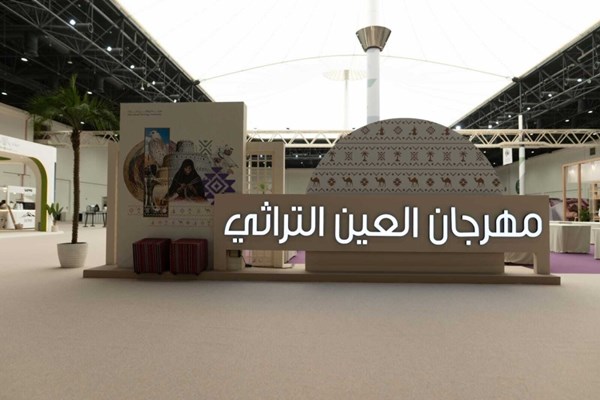
The Al Ain Heritage Festival has opened its doors to visitors, running from January 31 through February 9 at the Al Ain Exhibition Grounds. According to Obaid Khalfan Al Mazrouei, Executive Director of the Festivals and Events Sector at the Abu Dhabi Heritage Authority, the event reflects the leadership’s commitment to preserving Emirati heritage and strengthening its presence in society through comprehensive cultural programming.
The inaugural edition of the heritage festival takes place under the patronage of Sheikh Hazaa bin Zayed Al Nahyan, the Ruler’s Representative in Al Ain Region. Al Mazrouei emphasized that this support demonstrates the government’s dedication to protecting national identity and backing initiatives that safeguard Emirati cultural traditions.
Al Ain Heritage Festival Celebrates Emirati Cultural Identity
The festival serves multiple purposes beyond cultural celebration, according to organizers. It positions Al Ain as a heritage hub and cultural tourism destination attracting both domestic and international visitors. Additionally, the event features a comprehensive program designed to showcase the depth and authenticity of Emirati traditions while offering visitors an engaging experience that combines education with entertainment.
The programming includes traditional performances, recreational activities, and educational initiatives. However, the festival also fulfills an important economic function by supporting local artisans, farmers, productive families, and startup entrepreneurs through dedicated exhibition spaces.
Supporting Traditional Industries and Local Producers
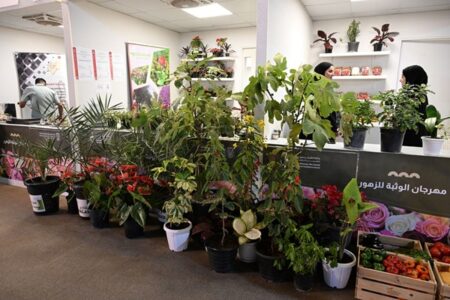
Al Mazrouei highlighted the festival’s role in promoting sustainable heritage industries and transforming them into significant economic resources. Craftsmen and small-scale producers benefit from opportunities to display their products and introduce them to wider audiences. Meanwhile, the event creates pathways for traditional industries to generate meaningful revenue while preserving cultural practices.
The date palm holds central importance in the festival’s cultural narrative. Organizers have dedicated specific attractions to this iconic tree, including a dates market, dates auction, and beauty competitions for palm varieties. These elements underscore the palm’s pivotal role in Emirati national heritage and daily life.
International Participation Enriches Cultural Exchange
The Global Heritage Village represents a significant component of the Al Ain heritage festival, featuring participation from Gulf and Arab countries. These international pavilions showcase similarities and diversity across various cultural elements including arts, cuisine, and traditional crafts. In contrast to purely local events, this international dimension enriches visitor experiences by highlighting shared regional heritage.
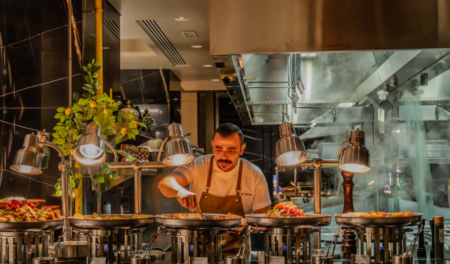
The festival includes specialized competitions and markets focused on honey production. According to the heritage authority, these activities aim to highlight the quality and variety of local honey while educating visitors about extraction methods, health benefits, and honey-based products. Additionally, a cooking competition challenges chefs to present traditional dishes with contemporary interpretation, bridging heritage and modern culinary innovation.
Creative Competitions Engage Artists and Photographers
Artistic competitions form another pillar of the festival programming. Photography and live painting contests provide creative individuals with platforms to express their connection to heritage through innovative visual approaches. These artistic elements add contemporary relevance to traditional themes and attract younger demographics to cultural engagement.
The Abu Dhabi Heritage Authority organized the inaugural Al Ain Heritage Festival as part of broader efforts to preserve Emirati heritage and traditional crafts. The authority stated that the initiative aims to strengthen national identity values and heritage principles within society. Furthermore, the festival contributes to documenting traditional practices and raising public awareness about cultural preservation.
As the festival continues through February 9, organizers expect strong visitor turnout throughout the remaining days. The success of this first edition will likely inform planning for future annual iterations, though officials have not yet announced specific dates for subsequent festivals.