



Listen to the article
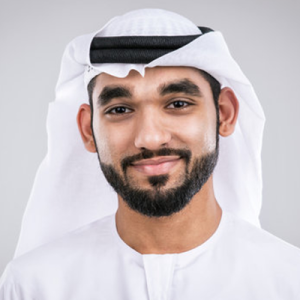
A young Emirati researcher is making significant strides in marine sciences and aquatic biology, combining academic excellence with hands-on environmental initiatives. Saeed Al Naqbi, a marine sciences and aquatic biology student at the University of Khorfakkan, is conducting advanced research focused on protecting marine ecosystems while advancing the UAE’s Vision 2030 sustainability goals. His work centers on studying microscopic marine organisms that form the foundation of ocean life.
Al Naqbi’s passion for the ocean began during his childhood, growing up in a family known for their connection to fishing and the sea. According to the researcher, curiosity about what lies beneath the water’s surface drove him to transform his early fascination into a scientific career path. He chose to pursue marine sciences and aquatic biology with a modern academic approach that serves both knowledge advancement and community needs.
Marine Sciences Research at University of Khorfakkan
The decision to specialize in marine sciences and aquatic biology was based on scientific conviction and practical considerations. Al Naqbi points out that oceans cover more than 80 percent of Earth’s surface and contain approximately 97 percent of the planet’s water, yet only 20 percent has been explored. This vast unknown territory offers researchers significant opportunities for discovery.
Additionally, the University of Khorfakkan’s partnership with the University of Exeter in the United Kingdom provides students with a unique opportunity to graduate with dual degrees. This arrangement supports the UAE’s vision for scientific leadership and provides students with internationally recognized credentials in marine biology and oceanography.
Advanced Research on Marine Microorganisms
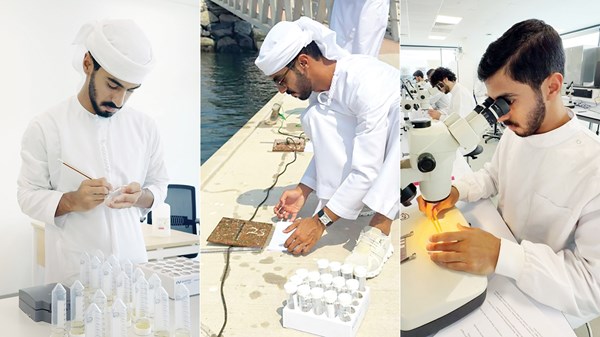
Al Naqbi’s research extends beyond theoretical study to include advanced fieldwork focusing on microscopic organisms. According to the researcher, his current work involves studying phytoplankton in Khorfakkan Sea. These microscopic organisms produce oxygen and form the base of the marine food chain, making them essential to ocean ecosystems.
The research process involves sorting specimens under microscopes, identifying different species, and determining their quantities to understand their role in environmental balance. While these studies may appear small in scale, they form the foundation for understanding the future of ocean ecosystems and supporting marine life sustainability.
Field Challenges and Environmental Initiatives
The scientific research journey has presented numerous challenges, particularly the unpredictable nature of ocean conditions. According to Al Naqbi, the most difficult aspects include collecting samples during strong waves or sudden weather changes. Moreover, studying microscopic organisms requires exceptional patience and precision, but these challenges have taught valuable lessons about scientific methodology.
However, practical experience has strengthened his commitment to environmental responsibility. Al Naqbi has participated in several field initiatives, including coral reef cultivation projects and beach cleanup campaigns. He has also worked with government agencies collecting samples from turtle sanctuaries, describing these volunteer experiences as integral to environmental stewardship.
Academic Achievements and Future Goals in Marine Sciences
Meanwhile, Al Naqbi considers every scientific and practical experience an achievement. His most notable milestone was participating in an academic program at the University of Exeter in Britain. During this academic journey, he gained new expertise and participated in a debate competition concerning generative artificial intelligence in higher education, an experience that enhanced both his scientific and discussion skills.
In contrast to viewing research as an individual endeavor, Al Naqbi emphasizes that environmental protection represents a collective responsibility requiring collaborative effort. He stresses that oceans are not merely resources but represent life and future prosperity for coming generations, requiring simple steps from every individual to ensure their preservation.
Al Naqbi plans to continue his academic journey by pursuing graduate studies and a doctorate in marine sciences and aquatic biology. His stated objectives include becoming an active contributor serving society and supporting marine environmental sustainability in alignment with UAE Vision 2030, though specific timelines for his advanced studies have not been confirmed.