




Listen to the article
The third session of the fourth term of the Arab Parliament for Children has begun welcoming delegations from across the Arab world in Sharjah, United Arab Emirates. Held under the patronage of His Highness Sheikh Dr. Sultan bin Muhammad Al Qasimi, Supreme Council Member and Ruler of Sharjah, the Arab Parliament for Children session includes participation from the League of Arab States and brings together young representatives from 16 Arab nations.
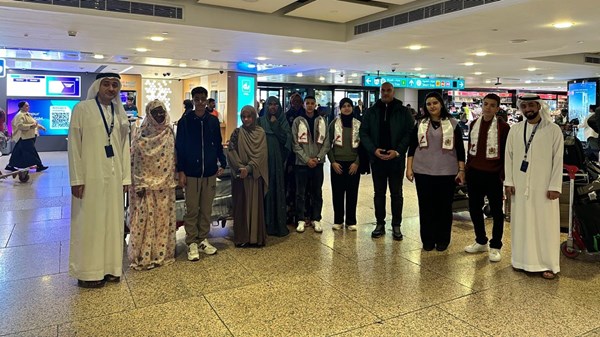
The first delegations from Mauritania and Morocco arrived on Sunday, with remaining participating countries expected to complete their arrival on Monday. The eight-day program will feature parliamentary sessions, training activities, educational workshops, and field visits designed to engage child participants in meaningful dialogue about issues affecting Arab youth.
Participating Nations in the Arab Parliament for Children
Each of the 16 participating Arab countries is represented by four children, creating a balanced model of inclusive participation. According to the General Secretariat, the nations taking part include the United Arab Emirates, Mauritania, Morocco, Djibouti, Palestine, Libya, Oman, Bahrain, Saudi Arabia, Qatar, Jordan, Iraq, Lebanon, Somalia, Egypt, and Syria.
The General Secretariat of the Arab Parliament for Children, in collaboration with partner institutions, has mobilized comprehensive resources to welcome the delegations. Services include streamlined arrival procedures, logistical coordination, and reception arrangements designed to ensure participating children can engage in a comfortable and encouraging environment.
Focus on Cybersecurity and Child Protection
The official session of the Advisory Council for the Arab Parliament for Children is scheduled to convene on Saturday, February 14, at the Sharjah Consultative Council headquarters. The session will address the theme “Cybersecurity: Towards Child-Friendly Content for Arab Children,” tackling one of the most pressing contemporary challenges facing children in the digital age.
This focus on digital safety reflects growing concerns about online environments across the Arab region. The parliament aims to develop recommendations that contribute to creating a safe and positive digital space for children throughout the Arab world, addressing issues ranging from online content to data protection.
Young Delegates Express Enthusiasm for Parliamentary Experience
Participating children expressed considerable enthusiasm upon their arrival in the Emirates, according to organizers. The young delegates praised the warmth of their reception and the quality of organizational arrangements, while confirming their eagerness to participate actively in the comprehensive program prepared for them.
Ayman Othman Al Barout, Secretary General of the Arab Parliament for Children, stated that the gathering of children from 16 countries embodies the significant position the institution has achieved as a leading Arab platform concerned with children’s rights and issues. Additionally, he emphasized the organization’s commitment to providing an integrated parliamentary experience for participating children.
Training and Cultural Exchange Components
Al Barout added that the General Secretariat, working with partners, focuses on delivering an experience that combines dialogue, training, and cultural interaction. The program aims to prepare a generation that is aware of childhood issues and capable of expressing opinions and proposing creative initiatives, particularly regarding contemporary concerns such as cybersecurity and child protection in the digital space.
The comprehensive program extends beyond traditional parliamentary sessions to include capacity-building workshops and community visits. These cultural and educational activities are designed to broaden participants’ perspectives and enhance their experiences while fostering connections among young representatives from different Arab nations.
The Arab Parliament for Children session is expected to conclude after eight days of activities, with final recommendations and initiatives to be announced following the official Advisory Council session on February 14. However, authorities have not yet confirmed specific details regarding the implementation timeline for any proposed measures addressing cybersecurity and child-friendly digital content across participating nations.