



Listen to the article
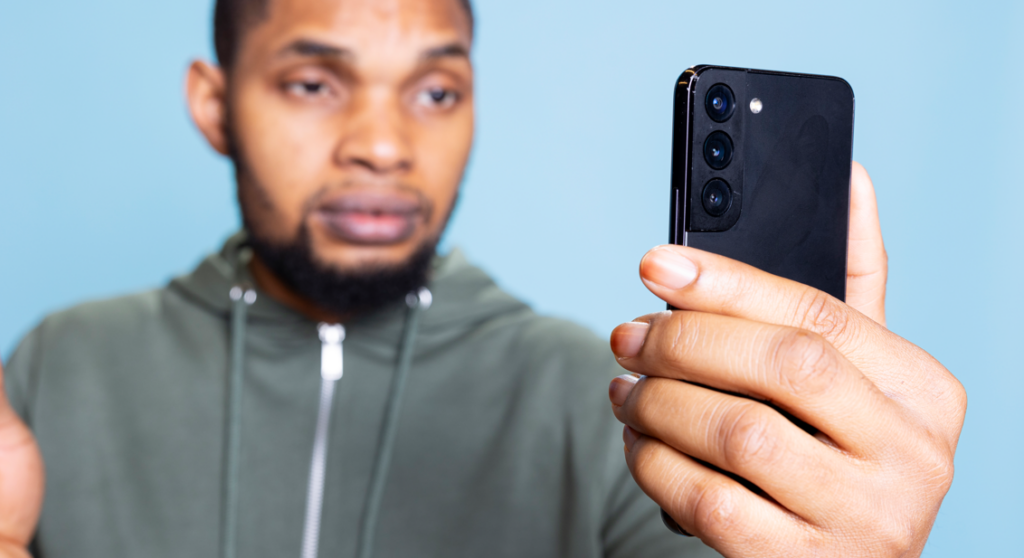
The blue-white stage lights, the dark auditorium, and the rehearsed applause that comes a half-second after the punch line are all things that San Francisco has seen enough tech launches to create a certain muscle memory. Samsung will return to the same location for Galaxy Unpacked on February 25 with a message that feels more like a repositioning than a new product. The company suggests that this isn’t a smartphone. An “AI phone” is what it is.
That wording is significant because it implies that Samsung believes the outdated categories are becoming outdated. Over ten years, flagship phones boasted about their camera sensors, screen brightness, and battery life.
| Category | Details |
|---|---|
| Company | Samsung Electronics |
| Flagship Line | Galaxy S series |
| Device | Galaxy S26 Ultra (expected headline device) |
| Event | Galaxy Unpacked (Feb. 25, 2026; San Francisco; livestream) |
| Tagline | “The Next AI Phone Makes Your Life Easier” |
| Pre-order tease | $30/$30 voucher offer tied to the “new AI phone” |
| Theme Samsung is pushing | AI-led camera and editing experience |
| Authentic reference | TomsGuide |
With the true differentiator residing in software that edits, rewrites, summarizes, and “fixes” your life in the background, Samsung is now acting as though those specifications are irrelevant. This might be sincere conviction. It might also be the most straightforward explanation when advancements in hardware slow down.
The event is framed by the company’s own invitation, which reads, “The Next AI Phone Makes Your Life Easier.” This line seems straightforward until you realize how much emphasis it places on just one word. simpler.
Not more quickly. Not more incisive. simpler. This pledge targets the tiresome aspects of regular phone use, such as managing pictures, looking up messages, polishing text, and planning the week. It’s a pledge that, if successful, will become more of a habit than a feature.
AI is even being used in the pre-order marketing. According to Tom’s Guide, Samsung is offering a $30/$30 coupon on its event preview page to anyone who purchases its “new AI phone,” as though the name itself were worth a little cash payout. The seemingly unremarkable detail reveals something: Samsung wants people to start saying “AI phone” instead of “camera phone,” as they used to do.
The pitch becomes hazy at the camera. T3’s reporting suggests a more telling angle: Samsung is leaning toward AI editing as the true upgrade, and the hardware may not change significantly, despite Samsung’s teasers referring to the “brightest” Galaxy camera system and leaks speculating about changes.
Things like “turning day to night,” “repairing missing parts,” and “combining multiple images” seem magical until you realize how many of them have been a part of Google Photos and other apps for years. Samsung seems to contend that integration and speed make the difference—less exporting, less tinkering, and more immediate results.
A common scenario is taking a group photo in a dimly lit restaurant while watching friends tilt their heads while someone invariably asks, “Can you fix that?” “Fixing” used to mean soft edits and filters. Rebuilding reality now entails erasing objects, lifting shadows, and creating pixels that never existed.
Samsung is placing a wager that consumers will not only accept this change, but will actually desire it, particularly if it is presented as a single tap rather than a sophisticated tool.
However, referring to something as a “AI phone” raises the obvious question: what isn’t AI? Chinese manufacturers are rushing to incorporate assistants and generators into everything from note apps to photo galleries, while Apple is promoting Apple Intelligence and Google is transforming Gemini into a front-door experience.
Samsung has an advantage in this case because it has been actively marketing Galaxy AI since previous models and knows how important it is to be the first product that a customer thinks of, even if the underlying models are shared, licensed, or partnered. For the time being, investors appear to think that distribution and branding can outperform technical purity.
However, the strategy carries a subtle risk that you won’t notice until you’ve been using these tools for a few weeks. AI features deteriorate quickly. By May, a February “wow” photo edit may seem routine, especially if rivals steal the concept and present it in a different way.
If the main promise of the Galaxy S26 Ultra lies in its software, Samsung must maintain the software’s freshness without depleting the battery, overheating the chips, or transforming the camera roll into a hall of convincing fakes. The stage demos don’t accurately portray how difficult that balance is.
There is still more ambiguity in the statement “makes your life easier.” Whose life is it easier? An assistant that completes their thoughts might be a hit with power users who already edit photos, compose messages, and automate tasks. It’s possible that everyone else simply wants a phone that is portable, takes good pictures, and lasts all day. Similar to how they came to expect dependable navigation and instant translation, Samsung is placing a wager that the middle class will shift and begin to demand smarter assistance as a baseline.
For the time being, Samsung has effectively set the tone for Unpacked by marketing the Galaxy S26 Ultra as a companion that organizes, suggests, and edits, reducing minor annoyances you’ve come to accept rather than as a slab of high-end materials. It seems like the company is attempting to rename the category before anyone else can define it, based on the buildup.
The experience people have when the lights go out and they’re back in their kitchens, requesting that their phone do something a little messy and very human, will determine whether the S26 Ultra lives up to the moniker—whether “AI phone” becomes a legitimate product identity rather than a marketing gimmick.