


Listen to the article
The Fujairah Fishing Cooperative Society successfully organized the inaugural Fujairah Kingfish Fishing Championship, attracting 59 participants in a celebration of traditional maritime heritage and sustainable fishing practices. The fishing tournament aimed to promote responsible fishing methods while encouraging younger generations to preserve this ancestral profession and optimize the use of marine resources.
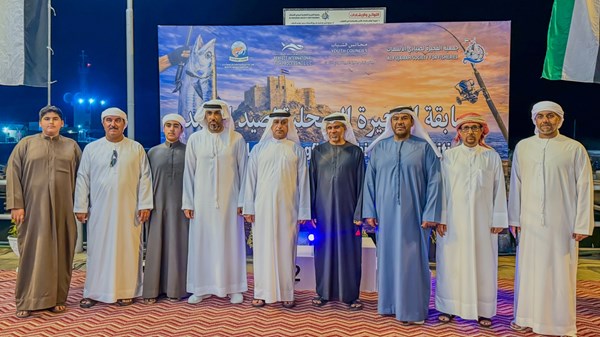
According to the organizers, the championship took place in Fujairah with significant attendance from local officials and fishing enthusiasts. Nasser Al Yamahi, Director of the Fujairah Culture and Media Authority, and Mahmoud Hassan Al Ali, Chairman of the Fujairah Fishing Cooperative Society, were among the prominent attendees at the event.
Objectives of the Kingfish Fishing Championship
The first edition of this championship was designed with multiple objectives beyond simple competition. The tournament emphasized promoting positive fishing concepts and proper fishing techniques while fostering teamwork among participants. Additionally, organizers sought to highlight young talent in the fishing profession and inspire youth to maintain their authentic heritage and ancestral occupation.
The focus on sustainable exploitation of fish resources reflects growing awareness about marine conservation in the United Arab Emirates. By combining competition with education, the event aimed to reinforce responsible fishing practices among both experienced fishermen and newcomers to the trade.
Winners and Prize Categories
The competition featured several prize categories, with the main awards centered around the heaviest kingfish caught during the tournament. Team Sayaf Marine, led by Saeed Ibrahim Abdullah, secured first place with an impressive catch weighing 17 kilograms. Yousef Salem Al Zayyoudi claimed second position with a kingfish weighing 12.8 kilograms, while Jamal Mohammed Al Naqeeb finished third with a catch of 9.8 kilograms.
Beyond weight-based categories, the championship also recognized aesthetic and creative achievements. Saeed Al Zaabi won the prize for the most beautiful kingfish, showcasing the visual appeal of the catches. Meanwhile, Rashid Khalfan Al Tunaiji received the award for best video footage of the championship, highlighting the modern documentation of traditional fishing practices.
Cultural Significance and Community Engagement
The kingfish fishing championship represents more than just a sporting event for the Fujairah community. It serves as a bridge between generations, connecting experienced fishermen with younger participants interested in learning traditional skills. The involvement of 59 competitors demonstrates strong community interest in preserving maritime heritage while adapting to contemporary conservation needs.
Furthermore, the cooperative society’s initiative aligns with broader efforts across the UAE to maintain cultural authenticity while promoting sustainable resource management. The championship provides a platform for knowledge exchange about proper fishing methods and the importance of protecting marine ecosystems for future generations.
Promoting Sustainable Fishing Practices
The emphasis on optimal exploitation of fish resources throughout the championship underscores environmental concerns within the fishing community. Organizers used the event as an opportunity to raise awareness about balancing traditional fishing activities with conservation efforts. This approach ensures that kingfish populations and other marine species remain viable for both ecological health and economic sustainability.
The tournament’s educational component extended beyond competition rules to include discussions about responsible catch sizes and seasonal fishing patterns. Participants were encouraged to view their role not merely as competitors but as stewards of marine resources.
While this inaugural championship has concluded successfully, the Fujairah Fishing Cooperative Society has not yet announced whether the event will become an annual tradition. Future editions could potentially expand participation and introduce additional categories to further promote sustainable fishing practices in the region.