



Listen to the article
China has unveiled an ambitious plan to grow its core artificial intelligence industry to exceed one trillion yuan, approximately $142.5 billion, within the next two years. According to authorities in Beijing, the new action plan was announced on January 7, 2026, and outlines a comprehensive strategy to strengthen the country’s position in the global AI sector through targeted investments and policy support.
The initiative introduces nine major programs designed to address different segments of the artificial intelligence industry, with a strong emphasis on technological innovation. Chinese authorities will implement measures aimed at attracting top talent, securing long-term capital investment, and supporting open-source ecosystems to accelerate AI development across the nation.
Infrastructure and Market Development Goals
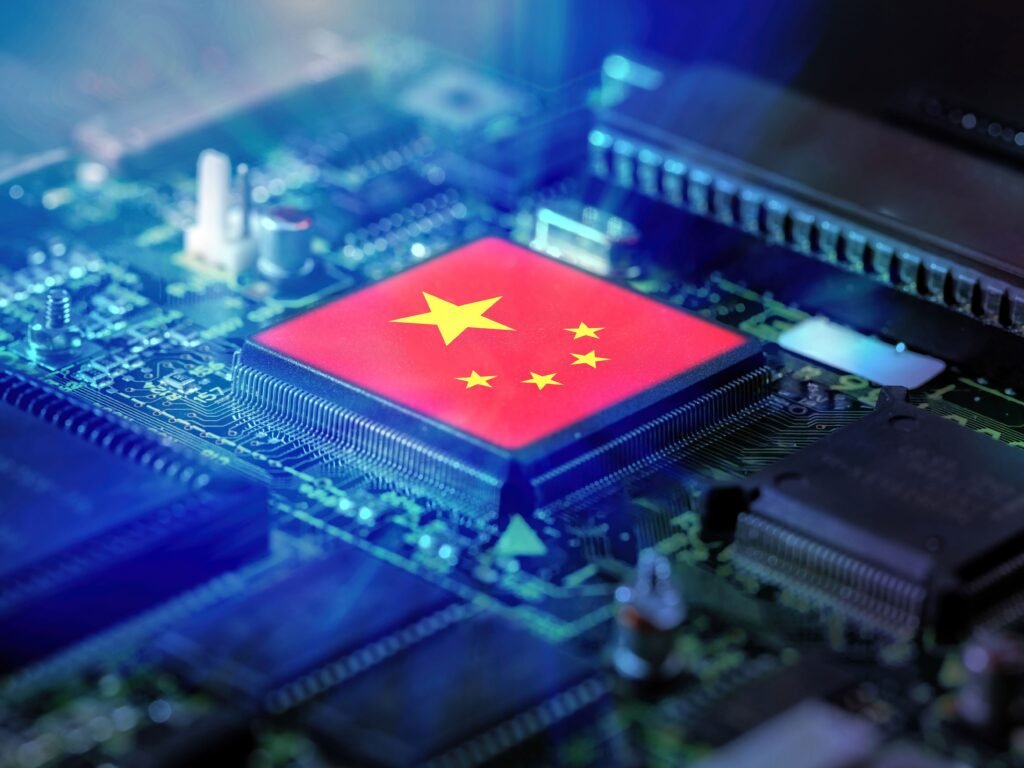
The action plan sets specific targets for China’s artificial intelligence infrastructure expansion. According to the announcement, the country aims to build a domestically produced AI computing cluster with capacity exceeding 100,000 chips, significantly enhancing computational power for AI applications.
Additionally, the plan targets adding more than 10 newly listed AI-related companies to stock exchanges. The strategy also focuses on cultivating over 20 unicorn companies—privately held startups valued at over $1 billion—within the AI sector, fostering a robust entrepreneurial ecosystem.
Current Market Position and Growth Trajectory
China’s AI sector has demonstrated strong momentum in recent years. The China Academy of Information and Communications Technology reported that the number of companies operating in the artificial intelligence field surpassed 5,300 as of September 2025, representing approximately 15 percent of the global total.
This substantial market presence positions China as a major player in the international AI landscape. However, the new trillion-yuan target reflects the government’s determination to expand the industry’s value significantly beyond its current level over a relatively short timeframe.
Strategic Priorities for AI Industry Growth
The nine key initiatives span multiple dimensions of artificial intelligence development. Attracting highly skilled professionals remains a central focus, recognizing that human capital drives innovation in this technology-intensive sector.
Meanwhile, securing long-term investment capital addresses the substantial funding requirements for AI research, development, and commercialization. The emphasis on open-source ecosystems suggests a collaborative approach to advancing AI technologies, potentially accelerating innovation through shared resources and collective problem-solving.
Implications for Global AI Competition
China’s aggressive targets for its artificial intelligence industry come amid intensifying global competition in AI development. The plan’s focus on domestic chip production reflects concerns about supply chain security and technological independence, particularly given international restrictions on advanced semiconductor exports to China.
In contrast to approaches emphasizing regulatory constraints, the Chinese strategy prioritizes rapid expansion and ecosystem development. The combination of government support, capital mobilization, and talent acquisition creates a comprehensive framework for achieving the ambitious two-year timeline.
The timeline for reaching the one-trillion-yuan valuation target extends through 2028, though authorities have not specified interim milestones or detailed implementation schedules for the nine initiatives. Success will likely depend on coordination between government agencies, private sector participation, and the ability to overcome technological challenges, particularly in advanced chip manufacturing.