


Listen to the article
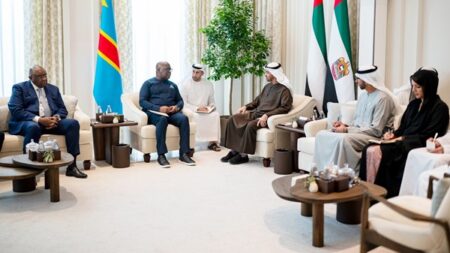
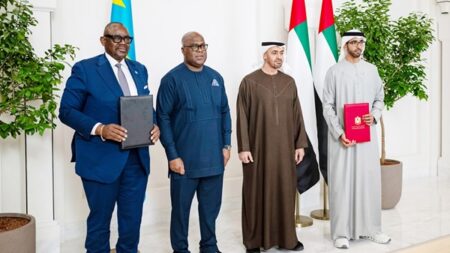
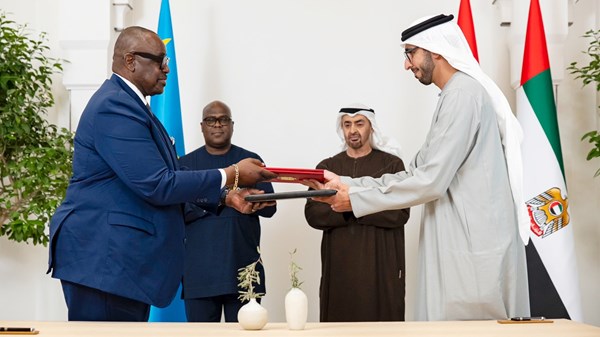
The United Arab Emirates and the Democratic Republic of Congo have signed a comprehensive economic partnership agreement aimed at strengthening bilateral trade and investment ties between the two nations. Sheikh Mohamed bin Zayed Al Nahyan, President of the UAE, and President Félix Tshisekedi of the Democratic Republic of Congo witnessed the signing ceremony in Abu Dhabi, according to official statements released following the event.
The UAE-Congo economic partnership agreement represents a significant step in expanding cooperation between the Emirates and African nations. President Sheikh Mohamed bin Zayed announced the development via his official account on social media platform X, emphasizing the UAE’s commitment to collaborative development that benefits all parties involved.
Strategic Framework for UAE-Congo Economic Partnership
In his statement, Sheikh Mohamed bin Zayed highlighted that the agreement aligns with the UAE’s approach of fostering cooperation that achieves development and progress for everyone. The comprehensive economic partnership is designed to capitalize on all available opportunities for mutual development between the two countries. Additionally, the framework aims to propel economic, trade, and investment relations forward through structured collaboration.
The signing ceremony took place during President Tshisekedi’s visit to the Emirati capital. The agreement establishes formal mechanisms for enhanced economic engagement between the oil-rich Gulf nation and the resource-abundant Central African country.
Africa as Priority in UAE Economic Strategy
Sheikh Mohamed bin Zayed emphasized that strengthening developmental relations with Africa constitutes an essential element within the UAE’s international economic relationships. According to his statement, these partnerships target prosperity and flourishing for all peoples of the world. The UAE has increasingly positioned itself as a key investor and partner for African nations in recent years.
Meanwhile, the Democratic Republic of Congo offers substantial economic potential given its vast natural resources, including significant deposits of cobalt, copper, and other critical minerals. The Central African nation has been seeking international partnerships to develop its infrastructure and diversify its economy beyond traditional resource extraction.
Implications of the Comprehensive Economic Partnership Agreement
The UAE-Congo economic partnership agreement is expected to facilitate increased bilateral trade flows between the two nations. However, specific details regarding tariff reductions, investment commitments, or sector-specific provisions have not been publicly disclosed at this time. The framework appears designed to create pathways for Emirati companies to invest in Congolese development projects.
In contrast to traditional aid-based relationships, comprehensive economic partnerships typically emphasize mutual commercial benefit and private sector engagement. The agreement reflects a broader trend of Gulf nations expanding their economic footprint across the African continent through strategic investments and trade arrangements.
Regional Context and Economic Diversification
The signing comes as the UAE continues to pursue economic diversification beyond hydrocarbons and expand its global trade network. African markets represent growing opportunities for Emirati businesses across sectors including agriculture, infrastructure, renewable energy, and technology. Additionally, such partnerships align with the UAE’s long-term vision of becoming a global hub connecting markets across continents.
For the Democratic Republic of Congo, attracting foreign investment remains crucial for economic development and job creation. The partnership with the UAE may provide access to capital and expertise needed for infrastructure projects and economic modernization initiatives. Furthermore, the agreement could serve as a model for the DRC’s engagement with other international partners.
Authorities have not confirmed specific timelines for implementing provisions outlined in the comprehensive economic partnership agreement or announced subsequent negotiations on technical details. The next steps will likely involve establishing joint committees to oversee implementation and identify priority areas for collaboration between the two nations.