Listen to the article
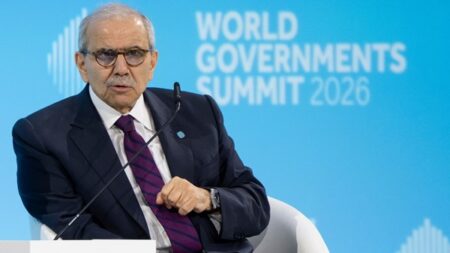
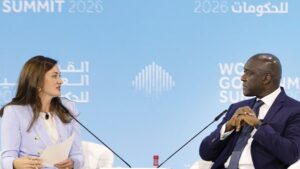
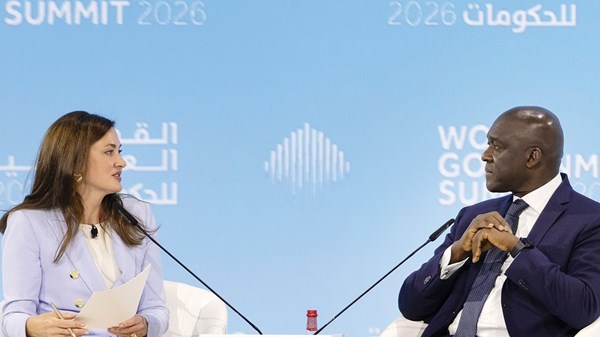
The Director General of the International Finance Corporation emphasized that attracting investment to emerging markets requires stable environments and predictable long-term economic policies, according to remarks made at the World Government Summit 2026 in Dubai. Makhtar Diop stated that capital naturally avoids uncertainty, highlighting that investors seek clarity in economic directions, local currency stability, and enforceable regulatory frameworks. The comments came during a keynote session examining whether growth represents a governmental choice or an investment opportunity.
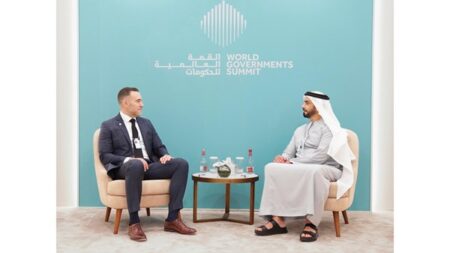
The session took place as part of the World Government Summit 2026, running through February 5 in Dubai under the theme “Envisioning Governments of the Future.” According to Diop, the event provided a platform to address major challenges facing the global economy and investment opportunities amid rapid transformations in international markets.
Understanding Investor Requirements for Emerging Markets
The International Finance Corporation conducted direct dialogues with leading chief executives and global investment fund managers to understand their conditions for entering emerging markets, according to Diop. These discussions concluded that guarantees, alongside policy stability, represent a decisive factor in investment decisions. The organization sought to bridge the gap between investor expectations and market realities in developing economies.
However, one of the primary challenges in emerging markets involves the disconnect between announced policies and actual implementation, particularly in infrastructure projects. Diop emphasized that investors frequently observe differences between declared plans and ground-level reality. This gap has become a significant barrier to attracting foreign capital into developing nations.
Addressing Policy Implementation Gaps
To address these challenges, the International Finance Corporation works to help countries manage the complexities of changing policies and build long-term frameworks. The organization focuses on enabling nations to create economic reserves capable of absorbing shocks, similar to what occurred during the coronavirus pandemic. This approach aims to strengthen resilience in emerging markets rather than relying solely on short-term reactive measures.
Additionally, Diop indicated that the International Finance Corporation has recently intensified guarantee instruments within the World Bank Group. The institution has expanded its risk-bearing capacity, including entering more advanced financing positions, to support developing countries in overcoming investment and financial challenges. These enhanced mechanisms provide additional security for investors considering emerging market opportunities.
Policy Stability and Investor Confidence
Regarding advanced economies, Diop called on policymakers to strengthen dialogue with the business community. He noted that stability does not mean stagnation, emphasizing the importance of maintaining predictable economic policies while remaining adaptable to changing circumstances. This balance between consistency and flexibility proves essential for sustaining investor confidence across different market types.
Meanwhile, the discussion also addressed concerns about technological disruption. Diop acknowledged legitimate fears regarding job losses due to artificial intelligence but stressed that the world currently faces multiple simultaneous shocks. These include health crises, climate change, geopolitical tensions, and rapid technological development, according to his assessment.
Building Economic Resilience
In contrast to reactive approaches, Diop emphasized the need to focus on building resilience capacity rather than relying exclusively on short-term responses. The convergence of various global challenges requires comprehensive strategies that prepare economies for sustained uncertainty. This perspective reflects a shift in how international financial institutions approach development assistance and investment facilitation in emerging markets.
The International Finance Corporation continues to evaluate policy frameworks and investment conditions across developing nations. Authorities have not confirmed specific timelines for new guarantee programs, though the organization’s expanded capacity suggests increased support mechanisms may become available to emerging markets in the coming months.