


Listen to the article
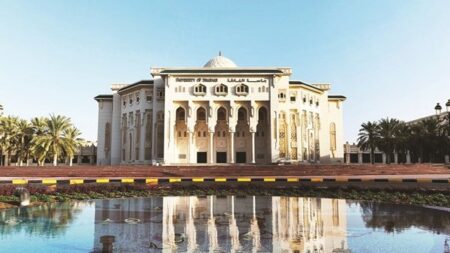
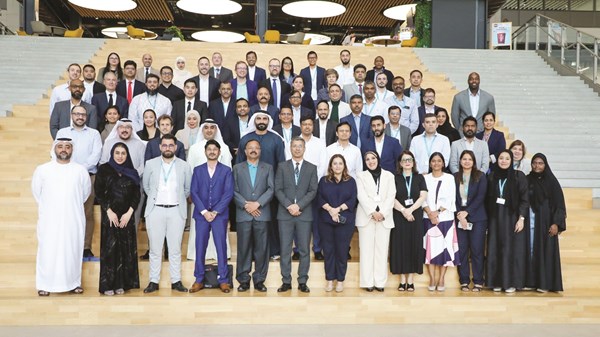
International transport leaders convened in Dubai to discuss the future of smart and sustainable mobility during the annual Keolis MHI forum held at the University of Birmingham. The event brought together senior executives to address operational challenges, technological transformations, and long-term planning requirements essential for advancing intelligent transportation systems. The gathering highlighted the growing importance of collaboration in shaping the evolution of public transport across the Middle East region.
According to officials, the forum witnessed high-level attendance reflecting strong leadership alignment within the group. Yann Dubois, Chief Executive Officer for the Middle East and East Asia, and Alistair Gordon, Chief Executive Officer of Keolis for the United Kingdom, Middle East, and India, joined the company’s executive team at the event. The meeting served as the official launch platform for the organization’s strategic plan for upcoming years.
Smart Mobility Innovations Take Center Stage
The forum provided a collaborative framework for reviewing key achievements during 2025, including enhanced operational efficiency and progress in smart mobility initiatives. Leaders discussed how technological advancements are reshaping urban transportation networks and improving passenger experiences. These discussions centered on implementing cutting-edge solutions that balance efficiency with environmental responsibility.
Additionally, participants examined strategies for integrating sustainable practices into daily operations. The emphasis on sustainability reflects broader industry trends toward reducing carbon emissions and improving air quality in metropolitan areas. Transport authorities worldwide are increasingly prioritizing environmental considerations alongside traditional operational metrics.
Leadership Outlines Vision for Operational Excellence
Vikas Sardana, Acting General Manager of Keolis MHI, stated that the annual gathering provides an opportunity to reflect on the company’s journey, celebrate successes, and set ambitious goals for the future. He emphasized that 2025 was a year filled with transformations, renewing the organization’s commitment to exceeding expectations in operational excellence, sustainability, and customer service. Through embracing innovation and fostering close collaboration, the company aims to continue shaping the future of public transportation while delivering exceptional passenger experiences.
However, achieving these objectives requires addressing multiple operational challenges simultaneously. Transport operators must balance infrastructure modernization with maintaining reliable daily services. Meanwhile, customer expectations continue to evolve, demanding more personalized and efficient transport solutions.
Strategic Planning for Sustainable Transport Solutions
The day’s agenda featured intensive discussion sessions and workshops where leadership teams engaged in in-depth conversations addressing upcoming challenges and identifying strategic directions for the next phase. Through deploying the latest technologies, these sessions contributed to unifying vision and efforts toward achieving the group’s mission of delivering safe, sustainable, and reliable transport solutions. The collaborative approach demonstrated commitment to long-term planning rather than short-term fixes.
In contrast to traditional planning methods, modern transport strategy increasingly relies on data analytics and predictive modeling. These tools enable operators to anticipate demand patterns and optimize resource allocation. Furthermore, digital technologies are transforming how passengers interact with public transport systems through mobile applications and real-time information platforms.
Regional Implications for Transportation Development
The Dubai forum underscores the Middle East’s growing role as a hub for transportation innovation. Regional governments have invested heavily in public transport infrastructure to support urban expansion and economic diversification. These investments align with broader sustainability goals outlined in various national development strategies across the Gulf region.
Moreover, lessons learned from implementing intelligent transportation systems in the Middle East may inform similar initiatives in other emerging markets. The exchange of knowledge and best practices among international transport leaders facilitates faster adoption of proven solutions. This collaborative ecosystem benefits both operators and passengers through improved service quality and reliability.
The forum concluded with participants focused on implementing the strategic framework throughout 2026 and beyond, though specific timelines for individual initiatives were not disclosed. Authorities have indicated that ongoing monitoring and adjustment will ensure alignment with evolving market conditions and passenger needs.