
Listen to the article
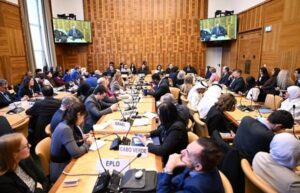
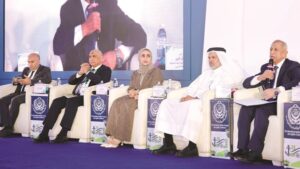
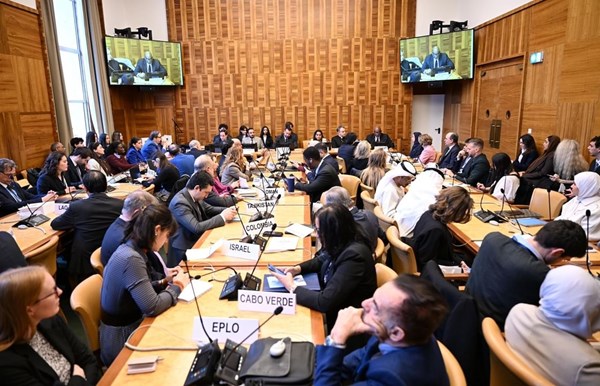
The Higher Committee for Human Fraternity organized a major celebration at the Palace of Nations in Geneva to mark the International Day of Human Fraternity, bringing together senior officials, diplomats, United Nations member state representatives, and international organization leaders. The event, held yesterday, also attracted prominent academics, civil society representatives, and institutions focused on dialogue, coexistence, and peace. The International Day of Human Fraternity served as the focal point for discussions on strengthening shared human values amid accelerating global challenges.
The celebration formed part of broader international efforts to promote human fraternity values and reinforce dialogue, mutual understanding, and respect among peoples worldwide. Participants included notable figures such as Tatiana Valovaya, Director-General of the United Nations Office at Geneva, Dr. Khaled Al-Ghaith, Secretary-General of the Higher Committee for Human Fraternity, and Ambassador Jamal Al-Musharakh, Permanent Representative of the United Arab Emirates to the United Nations in Geneva.
Strengthening International Cooperation Through Human Fraternity
According to Dr. Al-Ghaith in his keynote address, celebrating the International Day of Human Fraternity reflects growing international recognition of the importance of establishing collective human values. He emphasized that human fraternity represents a practical framework for enhancing international cooperation and building trust bridges between nations and communities. The concept provides essential tools for addressing interconnected global challenges through collaborative action and constructive dialogue.
Dr. Al-Ghaith explained that human fraternity rests on respecting shared human dignity, appreciating cultural and religious diversity, and establishing partnership principles in confronting global issues. He noted that the world currently faces complex challenges requiring strengthened collective efforts and meaningful engagement across borders. These principles translate into sustainable practices in education, culture, and community work, contributing to greater understanding between peoples.
Education and Youth Empowerment as Core Priorities
The Secretary-General highlighted that investing in education and empowering youth constitute fundamental pillars of the committee’s work. According to his statement, these elements play a pivotal role in preparing generations conscious of dialogue and tolerance values, capable of contributing to more cohesive and stable societies. The Higher Committee for Human Fraternity continues implementing practical programs and initiatives in cooperation with governments, international organizations, academic institutions, and civil society to transform these values into concrete actions.
Meanwhile, Tatiana Valovaya affirmed that the International Day of Human Fraternity represents an important occasion to renew global commitment to peace, unity, and human dignity values. She indicated that these values form the foundation for promoting stability and building inclusive societies. Geneva, with its concentration of international organizations and United Nations institutions, serves as a global platform where humanitarian principles transform into policies, partnerships, and programs with tangible impact.
Translating Human Fraternity Values Into Action
Valovaya stressed the necessity of translating human fraternity values into practical measures on the ground, particularly in education, intercultural dialogue, and partnership-building that enhances peaceful coexistence and protects human dignity. She emphasized that international cooperation remains a fundamental pillar for addressing shared challenges. The United Nations plays a crucial role in supporting dialogue and strengthening understanding between states and communities, according to her remarks.
Additionally, the celebration featured discussion sessions focused on methods to enhance human fraternity amid current global challenges. Participants examined the role of dialogue and multilateral cooperation in supporting peace and stability. Sessions also addressed the importance of education, youth empowerment, and building international partnerships in establishing coexistence and mutual respect values among peoples.
The Higher Committee for Human Fraternity is expected to continue developing collaborative initiatives with international partners to implement programs that operationalize these principles across various sectors. However, authorities have not announced specific timelines for upcoming projects or initiatives emerging from the Geneva discussions.