





Listen to the article
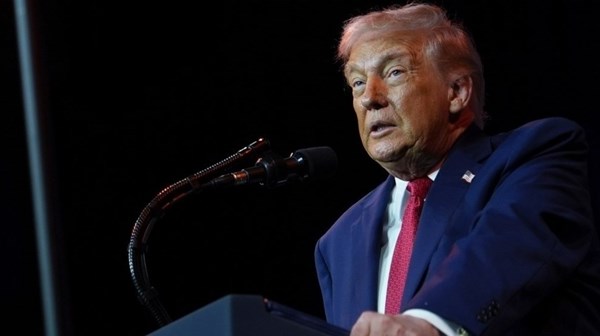
U.S. President Donald Trump announced plans to increase tariffs on imports from South Korea to 25 percent, targeting products related to automobiles, timber, and pharmaceuticals. The announcement has sparked concerns in Seoul as the new tariff rates would reverse recent trade agreements between the two countries. However, the timeline for implementing these increased tariffs remains unclear, according to U.S. officials.
The South Korean presidential office responded on Tuesday, stating that Industry Minister Kim Jong-kwan, currently in Canada, will visit the United States soon to meet with Commerce Secretary Howard Lutnick. The ministry issued a statement indicating the visit is scheduled from January 28 to 31. The Blue House noted it had not received official notification about the U.S. tariff increase.
Background of U.S. Tariffs on South Korean Imports
The announcement comes just months after Washington and Seoul reached a framework agreement last year that set specific tariff levels for South Korean automotive products. Under that agreement, tariffs on U.S. imports of South Korean cars and auto parts were reduced to 15 percent from 25 percent. The reduced 15 percent tariff rate took effect in early November, representing a significant trade concession.
The proposed increase to 25 percent tariffs would effectively nullify the benefits of the November agreement. This reversal affects major South Korean exporters who had adjusted their pricing and supply chains based on the lower tariff structure. Additionally, the expanded scope now includes timber and pharmaceutical products, broadening the impact beyond the automotive sector.
Economic Implications for South Korea
South Korea maintains significant trade relationships with the United States, particularly in the automotive and pharmaceutical industries. Major Korean automakers including Hyundai and Kia have substantial market share in the U.S., while pharmaceutical companies export billions of dollars in products annually. The tariff increase could substantially raise costs for American consumers purchasing these goods.
Meanwhile, trade experts suggest the timing of the announcement may be linked to broader U.S. trade policy objectives. The Trump administration has consistently emphasized reducing trade deficits and encouraging domestic manufacturing. However, South Korean officials argue their country has been a reliable trading partner and ally.
Diplomatic Response and Upcoming Negotiations
The scheduled meeting between Minister Kim Jong-kwan and Secretary Lutnick represents a critical opportunity for diplomatic resolution. South Korean officials are expected to present data on bilateral trade benefits and request reconsideration of the tariff increase. In contrast to the lack of formal notification mentioned by the Blue House, the U.S. has not provided detailed justification for the proposed changes.
Trade analysts note that the absence of a confirmed implementation date suggests negotiations may still influence the final outcome. The South Korean government has historically maintained strong diplomatic channels with Washington on trade matters. Furthermore, both countries have mutual interests in maintaining stable economic relations given their security alliance.
Industry Concerns and Market Reactions
Korean automotive and pharmaceutical companies have expressed concern about the potential impact on their competitiveness in the U.S. market. The 25 percent tariff rate on automobiles matches the level that existed before the November reduction, effectively erasing recent progress. Timber exporters, newly included in the tariff announcement, face unexpected challenges in a market they had considered stable.
Additionally, American businesses that rely on Korean imports may face higher costs, potentially affecting their pricing strategies and profit margins. Supply chain disruptions could occur if companies seek alternative sourcing options to avoid the elevated tariffs.
The outcome of Minister Kim’s late-January meetings with U.S. trade officials will likely determine whether the tariff increase proceeds as announced or undergoes modification. Until formal notification occurs and an implementation date is established, uncertainty continues to affect trade planning between the two nations.