


Listen to the article
A powerful winter storm sweeping across much of the United States has caused massive flight disruptions, with thousands of cancellations and delays reported Monday. According to data from aviation analytics firm Cirium, approximately 19 percent of scheduled flights were canceled before evening hours as freezing rain and heavy snowfall paralyzed air travel nationwide.
Flight tracking website FlightAware showed around 5,220 flights were canceled and more than 6,500 were delayed by Monday evening. These disruptions followed the cancellation of 11,000 flights on Sunday, marking the highest single-day total since the COVID-19 pandemic.
Winter Storm Flight Cancellations Impact Millions
The severe winter storm stretched from New Mexico to New England, blanketing a vast swath of the country in snow and ice. Airlines struggled to maintain operations as airports across the eastern United States faced dangerous weather conditions that made takeoffs and landings hazardous.
Additionally, the storm’s impact extended far beyond air travel disruptions. The winter weather system has claimed at least 18 lives, according to reports, as treacherous road conditions and extreme cold posed life-threatening risks across multiple states.
Economic Impact and Continued Disruptions
AccuWeather forecasting company estimates the storm will become the most costly severe weather event since the Los Angeles wildfires in early 2025. The preliminary damage and economic losses are projected to range between $105 billion and $115 billion, the weather service said.
However, the travel chaos is expected to continue beyond Monday. The frigid temperatures and lingering winter conditions are forecast to persist in some regions throughout the week, potentially leading to additional flight cancellations and delays.
Meanwhile, airports in the hardest-hit areas have implemented emergency protocols to manage stranded passengers. Airlines have issued travel waivers allowing customers to rebook flights without penalty, though finding available seats has proven challenging given the volume of canceled flights.
Broader Transportation Disruptions
In contrast to typical winter weather events, this storm’s scope and intensity have created unprecedented challenges for the transportation sector. Ground transportation has also faced severe disruptions, with road closures and hazardous driving conditions compounding the difficulties faced by travelers attempting alternative routes.
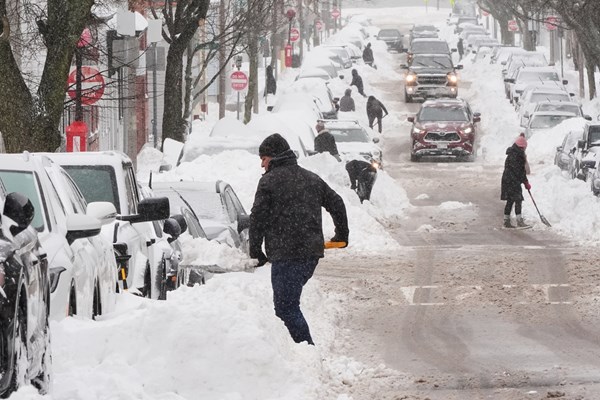
The winter storm has effectively paralyzed most of the eastern United States, affecting not only air travel but also daily commutes, supply chains, and emergency services. Authorities have urged residents to stay off roads and avoid unnecessary travel until conditions improve.
The aviation industry has deployed additional staff and resources to manage the crisis, though recovery efforts have been hampered by ongoing snowfall and freezing temperatures. Airlines are working to reposition aircraft and crews that were displaced by the massive wave of flight cancellations over the weekend.
Flight operations are expected to gradually normalize as weather conditions improve later in the week, though the exact timeline remains uncertain. Airlines have not confirmed when full schedules will resume, and passengers are advised to check flight status before heading to airports.