

Listen to the article
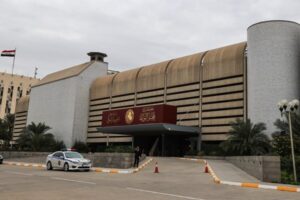
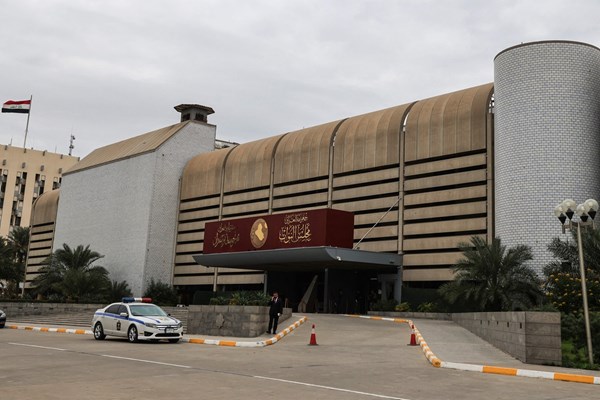
The Iraqi Parliament postponed the presidential election session indefinitely on Tuesday, following requests from the country’s two main Kurdish political parties. The session, originally scheduled for January 27, was delayed to allow more time for negotiations between the Kurdistan Democratic Party and the Patriotic Union of Kurdistan regarding their respective candidates for the Iraqi presidency.
Speaker of Parliament Halbousi announced that he received formal requests from both Kurdish parties to postpone the session. According to a statement from his office, the delay was requested “to give more time for understanding and agreement between the two parties.” Parliament later issued a brief statement confirming the postponement without specifying a new date for the Iraqi presidential election.
Leading Candidates for Iraqi Presidency
The two frontrunners in the presidential race represent Iraq’s major Kurdish political factions. Foreign Minister Fuad Hussein is the nominee of the Kurdistan Democratic Party, while former Environment Minister Nizar Amedi has been put forward by the Patriotic Union of Kurdistan. Both candidates require backing from their respective parties and broader parliamentary support to secure the position.
The presidential post in Iraq’s political system is traditionally allocated to a Kurdish representative as part of the country’s power-sharing arrangement. However, disagreements between the two dominant Kurdish parties have complicated the selection process on this occasion.
Constitutional Timeline and Government Formation
According to Iraq’s constitution, the newly elected president must designate a prime minister within 15 days of being elected. The prime ministerial candidate must come from the largest parliamentary bloc, as stipulated in the constitutional framework. Additionally, the designated prime minister has a 30-day deadline to form a complete government cabinet.
The postponement of the Iraqi presidential election creates uncertainty around these constitutional deadlines. Without a president in place, the subsequent steps toward forming a new government remain on hold, potentially extending the political transition period.
Background on Parliamentary Politics
Meanwhile, the delay reflects ongoing negotiations within Iraq’s complex multi-party political landscape. The Kurdistan Democratic Party and the Patriotic Union of Kurdistan have historically competed for influence in both the Kurdistan Region and federal Iraqi politics. Their ability to reach consensus on the presidential candidate is viewed as crucial for maintaining Kurdish political unity at the national level.
Parliament Speaker Halbousi’s decision to accommodate the postponement request indicates recognition of the sensitive nature of these inter-Kurdish negotiations. In contrast to previous presidential selection processes, this year’s competition appears to have generated more contention between the two major Kurdish parties.
Implications for Government Stability
The indefinite postponement raises questions about Iraq’s broader political stability and governance. However, authorities have not confirmed whether the delay will significantly impact other governmental functions or legislative activities. The uncertainty surrounding a new election date adds to concerns about prolonged political deadlock.
Iraq’s power-sharing system requires delicate balancing among various ethnic and sectarian groups, making presidential selection a particularly sensitive process. The current impasse between Kurdish parties demonstrates the ongoing challenges in maintaining political consensus across different factions.
Parliament has not announced when the next session for the Iraqi presidential election will be scheduled. The timing will likely depend on whether the Kurdistan Democratic Party and Patriotic Union of Kurdistan can reach an agreement on their candidates or negotiate a compromise arrangement acceptable to both sides.