



Listen to the article
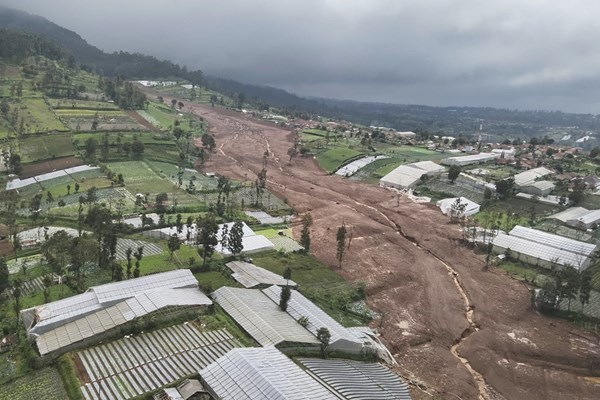
Indonesia’s National Search and Rescue Agency announced Saturday that the death toll from a devastating landslide in West Java province has risen to 49 people, with 15 others still missing. The landslide struck the village of Pasir Langu in Bandung Barat approximately one week ago, according to officials. Heavy rainfall triggered the deadly landslide, adding to a series of weather-related disasters that have plagued the archipelago nation in recent months.
The tragedy extends beyond civilian casualties, as the Navy reported Tuesday that 23 soldiers also died during border patrol training exercises. The connection between these incidents and the extreme weather conditions has raised concerns about safety protocols during severe weather events.
Heavy Rainfall Triggers Deadly Landslide
The landslide in West Java resulted from intense rainfall that destabilized soil in the mountainous region. Search and rescue operations continue as teams work to locate the 15 individuals who remain unaccounted for, according to the National Search and Rescue Agency. The agency has deployed personnel and equipment to the affected area, though challenging terrain and ongoing weather conditions have complicated recovery efforts.
Indonesia’s geography makes it particularly vulnerable to landslides and flooding, especially during the monsoon season. The country’s mountainous regions, combined with dense populations in rural areas, create conditions where natural disasters can quickly become catastrophic. Additionally, deforestation and land development have increased the risk of soil instability in many provinces.
Pattern of Weather-Related Disasters
This latest landslide continues a troubling pattern of weather-related catastrophes in Indonesia. A cyclone that struck Sumatra island late last year caused floods and landslides that killed approximately 1,200 people and displaced more than one million residents, according to authorities. The scale of that disaster highlighted the urgent need for improved early warning systems and disaster preparedness across the archipelago.
Meanwhile, climate experts have noted increasing frequency and intensity of extreme weather events in Southeast Asia. Indonesia, as an island nation with extensive coastlines and mountainous interior regions, faces multiple threats from climate change including rising sea levels, increased precipitation, and more powerful storms. However, limited resources and infrastructure challenges make disaster mitigation difficult in remote areas.
Search and Rescue Operations Continue
The National Search and Rescue Agency has coordinated with local authorities and military personnel to maintain ongoing search operations in Pasir Langu village. Rescue teams face significant obstacles including unstable ground conditions that pose risks of additional landslides. In contrast to urban disaster sites, the rural location complicates logistics and access for heavy equipment needed to clear debris.
Local communities have been affected not only by loss of life but also by destruction of homes and infrastructure. Many residents have been evacuated to temporary shelters while authorities assess the safety of the surrounding area. The government has not yet announced specific plans for reconstruction or long-term support for affected families.
Regional Impact and Response
West Java province has experienced several natural disasters in recent years, straining local emergency response capabilities. The provincial government has called for increased national support to strengthen disaster preparedness and response infrastructure. Additionally, there are growing calls for stricter land-use regulations in areas prone to landslides and flooding.
International aid organizations have offered assistance, though authorities have not confirmed whether external help will be requested. The Indonesian government typically coordinates disaster response internally before seeking international support for major catastrophes.
Search and rescue operations are expected to continue in the coming days as teams work to locate the remaining missing individuals. Authorities have not provided a timeline for when operations might conclude, citing unpredictable weather conditions and ongoing safety concerns in the affected area.