


Listen to the article
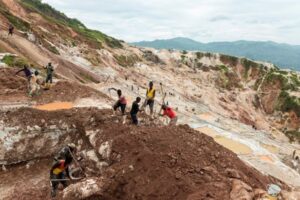
More than 200 people have been killed and others remain missing following the collapse of the Rubaya coltan mine in eastern Democratic Republic of Congo, according to local officials. The preliminary death toll is expected to rise as rescue and recovery efforts continue at one of the world’s most significant sources of the critical mineral.
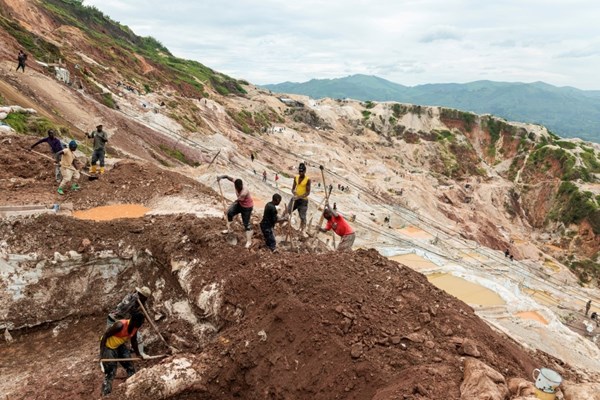
The disaster occurred on Wednesday at a site controlled by the M23 rebel movement, according to sources familiar with the incident. Victims included workers, women, and children engaged in artisanal mining operations at the facility, which reportedly supplies approximately 15 percent of global coltan reserves used in electronics and aerospace manufacturing.
Coltan Mine Disaster Highlights Safety Concerns
The Rubaya coltan mine collapse represents one of the deadliest mining accidents in recent Congolese history. Coltan, a metallic ore containing tantalum, is essential for producing capacitors used in smartphones, laptops, and other electronic devices.
However, the presence of artisanal miners, including women and children, at such a strategically important facility underscores the informal and often dangerous nature of mineral extraction in the region. Local officials have not confirmed the exact circumstances that led to the structural failure.
M23 Control Complicates Response Efforts
The mine’s location in territory controlled by the March 23 Movement adds complexity to rescue operations and investigations. The M23 rebel group has maintained control over significant portions of North Kivu province, where the Rubaya mining area is situated.
Additionally, the involvement of armed groups in mineral-rich areas has long been a source of concern for international observers monitoring conflict minerals. Authorities have not confirmed whether security conditions have impacted rescue efforts or access to the disaster site.
Global Supply Chain Implications
The disaster at the coltan mine raises questions about global supply chain vulnerabilities for critical minerals. With the Rubaya facility accounting for a substantial portion of worldwide coltan production, electronics manufacturers may face potential supply disruptions.
Meanwhile, the incident draws renewed attention to working conditions in artisanal mining operations across the Democratic Republic of Congo. The country possesses vast mineral wealth but continues to struggle with safety enforcement and regulation in the extractive sector.
Artisanal Mining Risks in Congo
Artisanal and small-scale mining employs millions across the Democratic Republic of Congo, providing livelihoods in areas with limited economic alternatives. Nevertheless, these operations frequently lack proper safety measures, structural assessments, and emergency protocols that would be standard in industrial mining facilities.
The presence of children at the collapsed mine site particularly highlights ongoing challenges related to child labor in mining regions. International organizations have repeatedly called for stronger protections and enforcement mechanisms to prevent minors from working in hazardous conditions.
Recovery Operations Continue
In contrast to industrial mining disasters where specialized rescue teams typically respond quickly, the remote location and security situation may hamper recovery efforts at Rubaya. The ministry has not released information regarding the deployment of professional rescue personnel or equipment to the site.
Furthermore, the reported number of missing individuals suggests the final death toll could significantly exceed initial estimates. Local officials have indicated that determining precise casualty figures remains difficult given the informal nature of artisanal mining operations and challenges in accounting for all individuals present at the time of collapse.
Authorities have not announced a timeline for completing rescue operations or releasing a final casualty count. The government has also not indicated whether investigations into the cause of the coltan mine collapse will be conducted or what measures might be implemented to prevent similar disasters at other mining sites across the region.