


Listen to the article
Experts on African affairs have warned about the alarming escalation of terrorism activities in the West Africa region, posing a serious threat to regional and international security. The surge in terrorist operations is exacerbating humanitarian, social, and economic crises affecting millions of civilians across the region, according to recent assessments by regional specialists.
African affairs expert Rami Zahdi emphasized the dangerous increase in the pace of terrorist attacks witnessed in West African countries, particularly Mali, Burkina Faso, and Niger. These attacks have caused a deterioration in security, economic, and humanitarian conditions for millions of residents, according to statements he provided.
West Africa Terrorism Transforms Into Comprehensive Crisis
The terrorism threat in West Africa has evolved from a mere security challenge into a comprehensive crisis affecting state stability, development prospects, and societal peace. Zahdi noted that the spread of terrorist organizations in the region has created dangerous consequences and challenges on security, humanitarian, and economic levels, requiring an integrated approach combining security measures, development initiatives, and addressing the roots of extremism.
The escalation of terrorist activities in the West African region has expanded the area of instability, transforming the region into an open regional hotspot for extremist organizations. Additionally, the situation has led to increased internal displacement and external refugee crises, deteriorating living conditions, rising poverty rates, and food insecurity among vulnerable populations.
Major Terrorist Organizations Operating in the Sahel
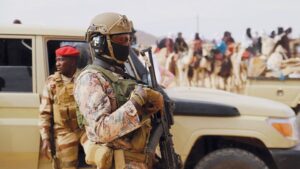
Multiple terrorist organizations, particularly Al-Qaeda and ISIS, are actively operating in West Africa, specifically in the Sahel region. According to Zahdi, this area suffers from accumulated social, economic, political, and security crises, making it a fertile environment for the spread of terrorist groups and extremist ideology.
The Sahel region’s vulnerability stems from long-standing governance challenges and limited state presence in remote areas. However, the current escalation represents a significant intensification of threats that have been building over the past decade.
Resource Control Drives Terrorism in West Africa
Former Egyptian Assistant Foreign Minister for African Affairs and member of the COMESA Committee of Elders, Ambassador Saad Shalaby, explained that West Africa is currently witnessing a disturbing escalation in terrorist organization activities. This is clearly evident in the violent attacks occurring in Burkina Faso, Mali, and Niger, she stated.
Ambassador Shalaby confirmed that the spread of terrorist organizations in West Africa results from a long accumulation of developmental failure and local conflicts. Meanwhile, these conditions have provided extremist organizations with a conducive environment for expansion and recruitment of new members.
Economic Motivations Behind Terrorist Attacks
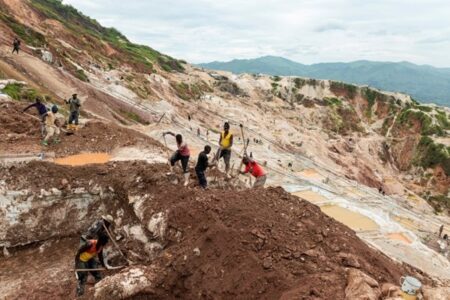
The primary objective of terrorist groups in carrying out accelerated attacks in West Africa involves controlling natural resources and benefiting from illegal cross-border trade revenues, according to the African affairs expert. In contrast to purely ideological motivations, economic gains play a central role in sustaining these organizations’ operations.
Shalaby warned about the severity of humanitarian consequences resulting from increased terrorism activities. The most prominent impacts include rising numbers of refugees and internally displaced persons, especially women and children, and deteriorating living conditions for millions of civilians across affected countries.
Regional authorities have not confirmed specific timelines for coordinated counterterrorism initiatives, though experts indicate that addressing the crisis will require sustained international cooperation and comprehensive strategies targeting both security threats and underlying socioeconomic vulnerabilities. The humanitarian situation remains uncertain as terrorist organizations continue expanding their territorial control across the Sahel region.