



Listen to the article
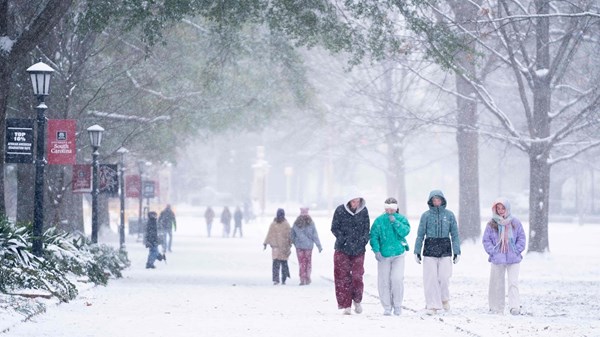
A devastating winter storm has claimed at least 90 lives across the United States, according to reports from multiple state authorities and emergency management agencies. The severe weather system brought freezing temperatures, heavy snowfall, and dangerous ice accumulation to large portions of the country over recent days. The winter storm death toll continues to rise as rescue teams reach previously isolated areas and officials compile comprehensive casualty reports from affected regions.
Emergency services across multiple states have been working around the clock to respond to weather-related incidents and provide assistance to stranded residents. The extreme conditions created hazardous road surfaces, leading to numerous traffic accidents, while power outages left millions of households without heating during the frigid temperatures. Additionally, several deaths have been attributed to hypothermia and carbon monoxide poisoning from improper use of heating devices.
Impact of the Deadly Winter Storm Across America
The winter storm affected a wide swath of the continental United States, with southern states experiencing particularly severe impacts due to their limited infrastructure for handling extreme cold weather. Texas, Kentucky, Tennessee, and other states reported significant casualties as residents faced conditions they were largely unprepared to handle. According to local officials, many victims were elderly individuals or those with limited mobility who could not safely evacuate or seek shelter.
Transportation networks across the affected regions came to a virtual standstill as ice and snow rendered highways impassable. Airlines canceled thousands of flights, stranding travelers in airports throughout the country. Meanwhile, freight transportation disruptions created supply chain bottlenecks, limiting the availability of essential goods in some communities.
Emergency Response and Recovery Efforts
State governors declared emergencies in numerous jurisdictions, mobilizing National Guard units to assist with rescue operations and deliver supplies to isolated communities. Emergency management teams coordinated efforts to restore electrical power, clear roadways, and establish warming centers for displaced residents. However, the scale of the disaster stretched resources thin in many areas.
Power companies reported that the extreme weather damaged critical infrastructure, with ice accumulation causing power lines to snap and equipment failures at generation facilities. Utility crews worked in dangerous conditions to restore service, but some areas remained without electricity for extended periods. The prolonged outages contributed to the rising death toll from the winter storm as vulnerable populations struggled to stay warm.
Weather Conditions and Climate Context
Meteorologists attributed the severe winter storm to a significant southward dip in the polar vortex, which brought Arctic air masses far below their typical range. The collision of this frigid air with moisture from the Gulf of Mexico created the conditions for heavy precipitation that fell as snow and freezing rain across broad areas. In contrast to typical winter weather patterns, the storm system moved unusually slowly, prolonging exposure to dangerous conditions.
Climate scientists have noted that extreme weather events, including intense winter storms, may become more frequent as atmospheric patterns shift. The contrast between warming trends and periodic Arctic outbreaks can create particularly volatile conditions. Additionally, infrastructure designed for historical climate norms may prove inadequate for handling these extreme events.
Economic and Social Consequences
The winter storm’s economic impact extends beyond immediate emergency response costs to include lost productivity, damaged infrastructure, and disrupted commerce. Businesses across affected regions remained closed for days, while agricultural operations suffered losses from frozen crops and livestock deaths. Insurance companies anticipate processing thousands of claims related to property damage and vehicle accidents.
Authorities continue to assess the full extent of casualties and damage as weather conditions gradually improve across most affected areas. Officials have not confirmed when comprehensive damage assessments will be complete, though recovery efforts are expected to continue for weeks as communities work to restore normal operations and assist displaced residents.