

Listen to the article
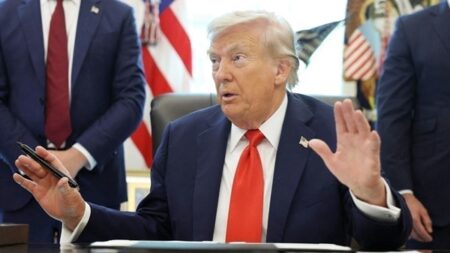
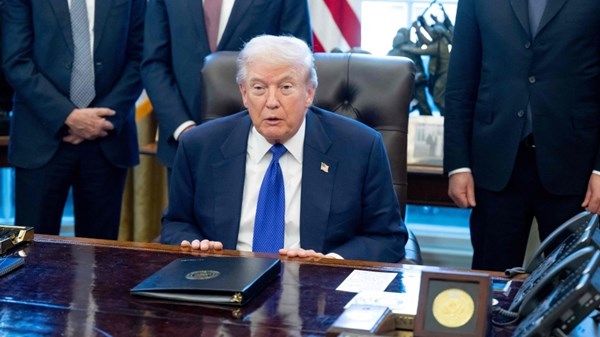
President Donald Trump announced plans to launch a strategic reserve for critical minerals, backed by $10 billion in initial financing from the U.S. Export-Import Bank. The initiative, unveiled at the White House on Monday, aims to protect American companies from supply disruptions of essential materials used in manufacturing and technology sectors.
Trump stated that American companies have risked depletion of vital minerals for years during market disruptions. The president emphasized that the program, known as “Project Vault,” will ensure that U.S. companies and workers are not harmed by any shortages, according to his remarks from the Oval Office.
Strategic Minerals Reserve Combines Public and Private Funding
The critical minerals reserve will combine $2 billion in private financing with a $10 billion loan from the Export-Import Bank of America to purchase and store minerals for automotive, technology, and other manufacturing companies. The Export-Import Bank confirmed it approved the loan on Monday, providing the financial foundation for the strategic stockpile initiative.
Project Vault represents a significant shift in U.S. resource security policy, addressing vulnerabilities in supply chains that became apparent during recent global disruptions. The strategic reserve aims to create a buffer against international market volatility and potential geopolitical tensions that could impact mineral availability.
Broad Industry Interest in Critical Minerals Initiative
The project has attracted interest from a wide range of American automotive and technology companies, according to administration officials. These industries rely heavily on critical minerals including lithium, cobalt, rare earth elements, and other materials essential for electric vehicle batteries, semiconductors, and advanced electronics manufacturing.
However, specific companies participating in the initiative have not yet been publicly identified. The administration has indicated that the strategic minerals reserve will operate similarly to the Strategic Petroleum Reserve, which stores crude oil for national emergencies.
Addressing Supply Chain Vulnerabilities
The United States currently depends heavily on imports for many critical minerals, with China dominating global production and processing of rare earth elements and other strategic materials. This dependence has raised national security concerns among policymakers and industry leaders who view mineral access as essential to economic competitiveness and defense capabilities.
Additionally, recent supply chain disruptions during the pandemic highlighted vulnerabilities in access to essential materials. The automotive industry in particular faced production shutdowns due to semiconductor shortages, which rely on various critical minerals in their manufacturing processes.
Meanwhile, the $12 billion total funding package represents one of the largest federal commitments to mineral security in recent history. The combination of public lending and private investment suggests a hybrid approach to building strategic reserves without full government ownership of stockpiled materials.
Implementation Details Remain Unclear
In contrast to the funding announcement, specific operational details about Project Vault remain limited. Authorities have not confirmed which minerals will be prioritized for stockpiling, how storage facilities will be managed, or the timeline for beginning purchases and building reserves.
The Export-Import Bank’s role in financing the initiative marks an expanded mission for the institution, which traditionally supports U.S. exports through loans and credit guarantees to foreign buyers. The $10 billion loan approval represents a significant allocation of the bank’s lending capacity toward domestic resource security objectives.
Further details about implementation procedures, participating companies, and specific mineral targets are expected to be announced in coming weeks as the administration develops operational frameworks for the strategic reserve program.