

Listen to the article
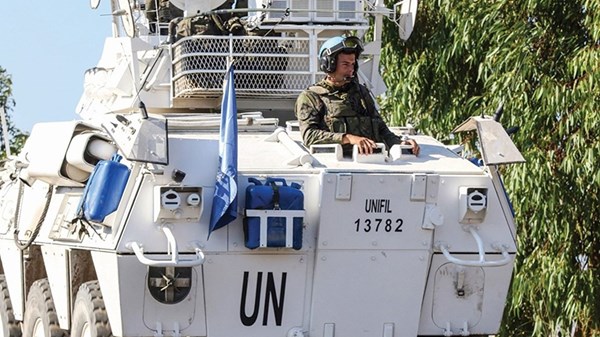
The United Nations Interim Force in Lebanon (UNIFIL) has reported that the Israeli military dropped chemical materials near the Blue Line in southern Lebanon, disrupting peacekeeping operations in the region. According to a statement released by UNIFIL yesterday, the Israeli army notified the peacekeeping force that it would conduct aerial activity to drop what it described as non-toxic chemical substances over areas close to the Blue Line. The incident has been labeled as unacceptable and a violation of international agreements governing the area.
The UN peacekeeping mission stated that Israeli forces informed them early in the morning before executing the operation. However, the chemical dispersal significantly hampered UNIFIL’s ability to carry out its regular duties along a substantial portion of the border zone.
Impact on UNIFIL Operations Near Blue Line
According to the statement, peacekeepers were unable to conduct normal operations across approximately one-third of the Blue Line’s length. The chemical materials dropped by Israeli aircraft prevented UN personnel from accessing key areas for more than nine hours. UNIFIL reported that peacekeepers could only resume their regular activities after this extended period had elapsed.
The Blue Line serves as the border demarcation between Lebanon and Israel, established by the United Nations in 2000. UNIFIL monitors this boundary as part of its mandate to maintain peace and stability in southern Lebanon following decades of conflict.
Violation of UN Resolution 1701
UNIFIL characterized the Israeli military action as unacceptable and stated that it constitutes a violation of UN Security Council Resolution 1701. This resolution, adopted in 2006, ended the war between Israel and Hezbollah and established the framework for maintaining calm along the Lebanese-Israeli border. The resolution calls for a cessation of hostilities and authorizes UNIFIL to monitor the area and assist the Lebanese Armed Forces.
Additionally, the peacekeeping force emphasized that such activities undermine its ability to fulfill its mandate effectively. The disruption to operations raises concerns about the challenges facing international peacekeepers attempting to maintain stability in the volatile border region.
Israeli Military Claims Non-Toxic Substances
While Israeli forces described the chemical materials as non-toxic, UNIFIL’s statement did not provide independent verification of this claim. The exact nature and purpose of the chemical substances dropped near the Blue Line were not detailed in the UN statement. Israeli authorities have not publicly elaborated on the reasoning behind the aerial dispersal operation.
Meanwhile, the incident highlights ongoing tensions along the Lebanese-Israeli border, where UNIFIL operates in a complex security environment. The peacekeeping mission has frequently documented violations and incidents involving various parties in the area, working to prevent escalation and maintain the fragile calm.
The disruption caused by the chemical dispersal near the Blue Line underscores the challenges international peacekeepers face in carrying out their monitoring duties. Such incidents can complicate efforts to maintain transparency and communication between parties in conflict-affected regions.
UNIFIL has not indicated whether it plans to file a formal complaint regarding the violation of Resolution 1701 or what additional measures might be taken in response to the incident. The Lebanese government’s official response to the Israeli military action also remains unclear, and it is uncertain whether the matter will be escalated to the UN Security Council for further consideration.