


Listen to the article
Mexico and the United States announced Tuesday they have reached a water agreement that resolves a long-standing dispute over water deliveries from Mexico to its northern neighbor. The breakthrough on the water agreement comes after months of negotiations and follows threats from U.S. President Donald Trump to impose a 5% tariff increase on Mexican imports if Mexico failed to provide additional water supplies.
Under the terms of the new deal, Mexico has committed to delivering a minimum of 350,000 acre-feet of water annually to the United States during the current five-year cycle, according to statements from both governments. The agreement addresses concerns from American farmers and officials who had complained about water shortages affecting border communities and agricultural operations.
Background of the Water Dispute
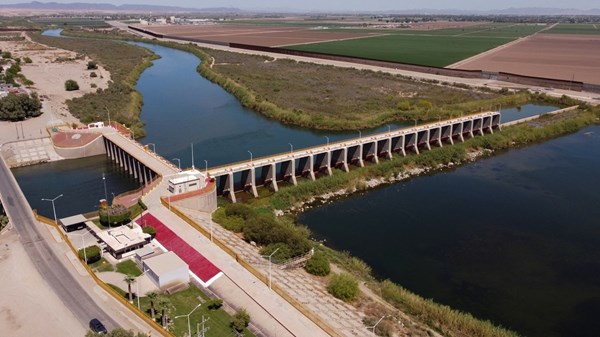
The water sharing arrangement between the two nations stems from a 1944 treaty that established obligations for both countries to deliver specific quantities of water from shared river systems. Mexico is required to provide water from the Rio Grande basin to the United States, while the U.S. delivers water from the Colorado River to Mexico.
However, Mexico had fallen behind on its water delivery obligations in recent years, creating tensions between the neighboring countries. American agricultural interests in Texas and other border states had pressed for enforcement of the treaty terms, citing impacts on farming operations and water availability.
Tariff Threats Accelerate Negotiations
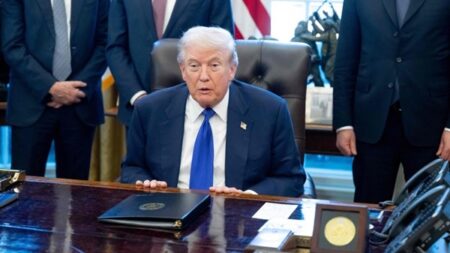
The dispute took on greater urgency when President Trump threatened to increase tariffs on Mexican imports by 5% if the water delivery issue remained unresolved. This pressure tactic appeared to accelerate diplomatic efforts between the two nations, which had been negotiating the matter for several months prior to the announcement.
Meanwhile, the tariff threat highlighted the Trump administration’s willingness to use trade measures as leverage on issues beyond traditional commercial concerns. The approach mirrors tactics the administration has employed on immigration and border security matters with Mexico.
Terms of the Mexico-U.S. Water Agreement
The newly announced water agreement establishes a concrete annual minimum that Mexico must deliver during the current five-year cycle under the binational treaty. The 350,000 acre-feet commitment represents a significant volume of water that will flow to American users in border regions.
Additionally, the agreement provides more predictability for water planning on both sides of the border. Water managers and agricultural operators can now anticipate consistent deliveries rather than facing uncertainty about whether treaty obligations will be met.
Implications for Border Relations
The resolution of the water delivery dispute removes a potential source of bilateral friction between Mexico and the United States. Both countries have emphasized the importance of cooperation on shared natural resources, particularly in arid border regions where water scarcity is an ongoing challenge.
In contrast to the contentious negotiations that preceded it, the announcement was marked by diplomatic language from both governments. Officials characterized the agreement as a demonstration of the ability of the two nations to work together on complex resource management issues.
Furthermore, the deal may provide a template for addressing other cross-border water challenges as climate change and population growth place increasing pressure on limited water supplies in the region. Environmental experts have noted that transboundary water cooperation will become increasingly critical in coming decades.
The implementation of the agreement will be monitored by officials from both countries throughout the remainder of the current five-year cycle. Authorities have not specified what mechanisms will be used to ensure compliance or what consequences might follow if delivery targets are not met, though the resolution of this dispute suggests both nations are committed to honoring the new terms.