

Listen to the article
Israeli forces renewed bombardment across Gaza, killing 24 Palestinians and wounding dozens, while authorities canceled the departure of a third group of patients scheduled to travel through the Rafah crossing. The escalation in Israeli military operations in Gaza comes amid ongoing tensions in the region, raising concerns about the fragile ceasefire and access to medical care for critically ill patients.
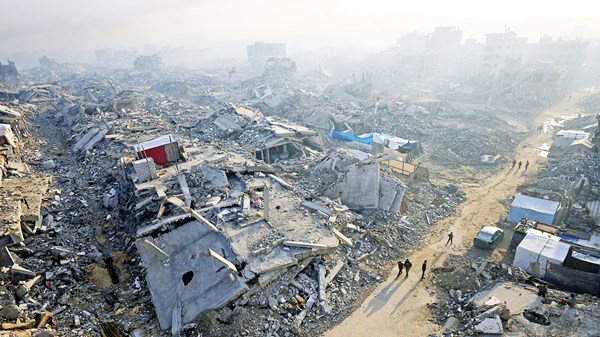
Health authorities in Gaza reported in an official statement that emergency departments received 24 Palestinian fatalities since dawn hours, including children and women, following renewed air and ground bombardment targeting residential homes and displacement camps. The Palestinian Red Crescent Society said in a parallel statement that the strikes killed one paramedic while performing his humanitarian duty in Khan Younis governorate in the southern part of the enclave.
Residential Areas Targeted in Gaza Bombardment
Eyewitnesses reported that the bombardment targeted the neighborhoods of Al-Tuffah, Al-Shujaiya, and Al-Zeitoun, forcing dozens of families into forced displacement. The strikes on densely populated residential areas have compounded the humanitarian crisis facing Palestinians who have already endured months of conflict and displacement.
The Israeli military justified its actions by stating it carried out precision strikes from air and land in response to gunfire directed at its forces that seriously wounded an officer in northern Gaza. Military officials considered the incident a violation of the ceasefire agreement currently in place.
Medical Evacuations Halted at Rafah Crossing
Meanwhile, the Palestinian Red Crescent Society announced that Israel canceled the departure of the third group of Gaza patients scheduled to travel through the Rafah border crossing. The cancellation prevents critically ill patients from accessing medical treatment outside the besieged enclave.
Media spokesperson for the organization, Raed Al-Nams, stated in a press briefing that relevant authorities informed the society of Israel’s decision to cancel the third batch of patient departures through Rafah crossing. He explained that over two days of the Rafah border crossing being open, 21 patients and 55 accompanying family members were able to travel for medical treatment.
Humanitarian Implications of Crossing Closure
The suspension of medical evacuations through Rafah crossing represents a significant setback for Gaza’s overwhelmed healthcare system. According to health officials, hundreds of patients require urgent medical care unavailable in the territory due to damaged hospitals and depleted medical supplies.
Additionally, the renewed Israeli military operations in Gaza have strained emergency medical services already operating under extreme conditions. The death of the paramedic in Khan Younis highlights the dangers facing humanitarian workers attempting to provide assistance amid active combat zones.
In contrast to Israeli military claims of precision strikes, Palestinian health authorities emphasize the civilian toll, particularly among vulnerable populations including children and women sheltering in displacement camps. The targeting of residential neighborhoods has further limited safe zones for the displaced population.
However, Israeli officials maintain that their operations respond to security threats and ceasefire violations. The military has not provided details about when normal operations at Rafah crossing might resume or whether additional patient groups will be permitted to travel.
Authorities have not confirmed when the Rafah crossing will reopen for medical evacuations or whether the ceasefire violations will lead to broader military escalation. The situation remains fluid as both sides assess next steps regarding the fragile ceasefire agreement and humanitarian access.