


Listen to the article
Palestinian authorities are advancing a comprehensive reconstruction plan to restore electricity services in Gaza, according to the head of the Palestinian Energy and Natural Resources Authority. Engineer Ayman Ismail announced that restoring power to the Gaza Strip remains a top priority as part of early recovery efforts aimed at reestablishing essential services for residents. The initiative focuses on electricity as a fundamental right and critical infrastructure for hospitals, water facilities, sanitation systems, telecommunications, and humanitarian services.
In a statement to Al-Ittihad, Ismail explained that the plan encompasses rehabilitation of electricity transmission and distribution networks, repair of the Energy Authority’s transformation station, and restoration of Gaza’s only power generation plant. Additionally, the strategy includes reinforcing generation sources and mobilizing international technical and financial support to ensure sustainable recovery of the energy sector.
Israeli Restrictions Hinder Gaza Electricity Restoration
However, implementation of these plans faces significant ongoing obstacles due to restrictions imposed by Israeli authorities on the entry of essential materials and equipment. According to Ismail, Israel is blocking the import of transformers, cables, control units, solar power systems, and storage batteries into Gaza. These limitations directly obstruct reconstruction efforts and prolong the humanitarian crisis affecting the territory’s population.
The Palestinian official emphasized that continued prevention of this equipment constitutes a clear violation of international humanitarian law obligations. Specifically, he noted that international law requires ensuring civilian populations have access to basic services. Meanwhile, the Palestinian government and Energy Authority continue working to pressure for the removal of these restrictions, which they consider essential for successful recovery and reconstruction operations.
Renewable Energy Programs Central to Recovery Strategy
The Palestinian government, in collaboration with international partners, is seeking to expand renewable energy programs within the reconstruction framework. The initiative includes solar power systems equipped with storage units designed to provide sustainable energy sources for critical facilities. Priority installations target hospitals, clinics, water treatment and pumping stations, and telecommunications infrastructure throughout Gaza.
This approach represents a shift toward energy independence and sustainability in the Gaza Strip, reducing reliance on external power sources. Furthermore, renewable energy solutions offer resilience against future disruptions while addressing immediate humanitarian needs. The integration of battery storage systems ensures continuous power supply to essential services even during periods when solar generation is unavailable.
Infrastructure Damage Complicates Recovery Efforts
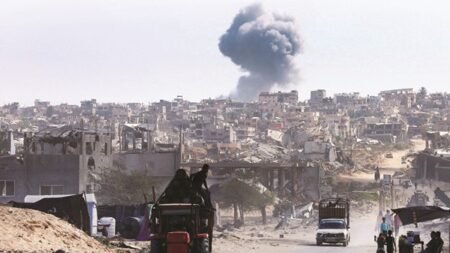
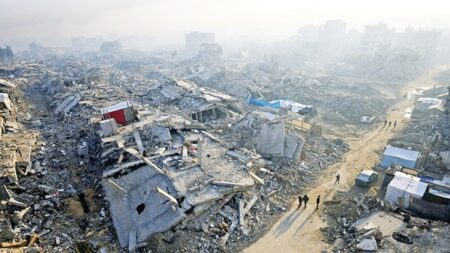
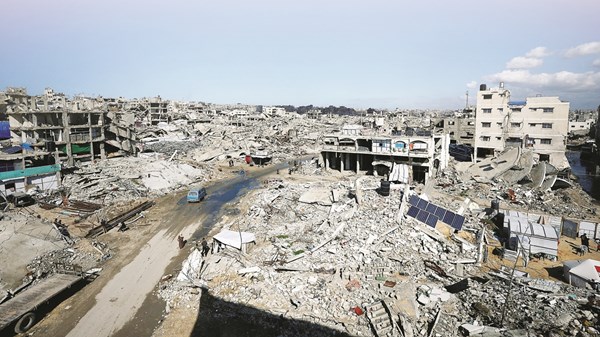
The extent of damage to Gaza’s electrical infrastructure necessitates extensive rehabilitation work beyond simple repairs. Transmission networks, distribution systems, and generation facilities all require comprehensive restoration to restore reliable electricity services. In contrast to previous recovery efforts, current plans emphasize building more robust and sustainable systems rather than temporary fixes.
International technical expertise and financial resources remain crucial components of the reconstruction strategy. Without adequate support from the global community, Palestinian authorities acknowledge that achieving long-term energy sector recovery will prove extremely challenging. The Energy Authority continues engaging with potential donors and technical partners to secure necessary commitments for project implementation.
Access to electricity affects virtually every aspect of daily life and humanitarian response in Gaza, from healthcare delivery to water availability. The absence of reliable power compromises medical equipment operation, refrigeration of medicines and vaccines, and emergency response capabilities. Consequently, restoring electricity services ranks among the most urgent priorities for alleviating suffering and enabling broader recovery across other sectors.
The timeline for implementing the comprehensive electricity restoration plan remains uncertain, largely dependent on whether Israeli authorities will permit entry of essential equipment and materials. Palestinian officials have not confirmed specific deadlines for project milestones, indicating that progress will be measured by gradual improvements rather than fixed completion dates as restrictions are negotiated.