

Listen to the article
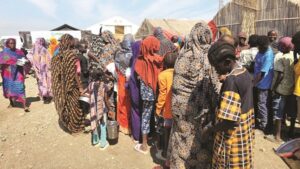
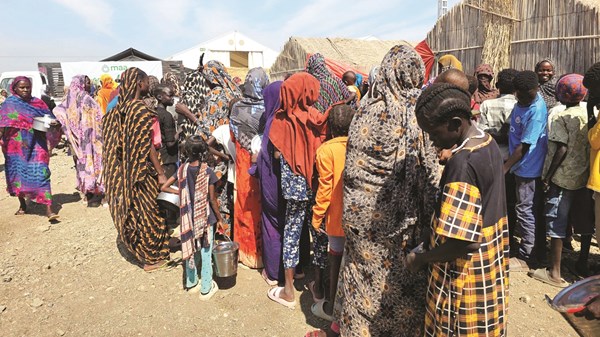
The Integrated Food Security Phase Classification has issued an urgent alert warning of a catastrophic deterioration in the food crisis and malnutrition in Sudan. The initiative projects that approximately 33.7 million people, nearly two-thirds of the population, will require humanitarian assistance throughout 2026, according to the latest assessment of Sudan’s humanitarian crisis.
The alert indicates the expansion of famine beyond previously affected areas, with famine conditions now recorded in Al Fasher and Kadugli. Two areas in North Darfur, Um Baru and Kereneik, have exceeded famine thresholds, with malnutrition rates in Um Baru reaching 52.9 percent, nearly double the famine threshold.
Conflict Drives Sudan Humanitarian Crisis
According to Dr. Nourhan Sharara, a researcher in political and African affairs, the war in Sudan has transformed from military confrontations into a comprehensive war targeting the livelihoods and survival of Sudanese citizens. The conflict has systematically destroyed agricultural supply chains as fighting has extended to key production areas in Gezira, Kordofan, and Darfur, forcing thousands of farmers to abandon their lands.
The ongoing violence has severed national supply routes, creating severe shortages and causing prices to skyrocket. Meanwhile, unprecedented population pressure has developed in displacement areas and relatively safer cities such as Kassala, Gedaref, and River Nile, where resources remain scarce.
Economic Collapse Compounds Food Insecurity
The collapse of the national currency and suspension of salaries have made obtaining food nearly impossible for most families. Additionally, the weaponization of aid has intensified the crisis, with food converted into a pressure tool and weapon of war, according to Sharara. Entire regions have been besieged, transforming them into what she described as open-air prisons where residents face starvation.
The consequences extend beyond hunger to biological and social destruction of Sudanese society. Physical immunity has collapsed while diseases spread, with minor injuries becoming fatal conditions. Furthermore, epidemics such as cholera and measles have proliferated amid the near-total collapse of the healthcare system.
Women and Children Bear Greatest Burden
Women and children are paying the heaviest price in this tragedy. Millions of children face the risk of stunting and severe wasting, while thousands are dying in silence. Sharara called for support of community initiatives, emergency rooms, and charitable kitchens, emphasizing that workers in these facilities represent the last line of defense against hunger.
Political Solutions Needed to Address Crisis
Ambassador Salah Halima, Deputy President of the Egyptian Council for African Affairs, criticized the politicization of humanitarian assistance. He confirmed that this approach directly contributes to worsening the famine crisis in Sudan by transforming relief into a conflict tool rather than a means of rescue.
Halima stated that continued warfare will lead to deteriorating conditions in health, education, and medicine, alongside rising displacement and refugee rates. He emphasized the necessity of reaching a ceasefire agreement and a long-term truce that would allow safe corridors for humanitarian aid delivery.
In contrast to viewing the situation as inevitable fate, Halima stressed that the humanitarian tragedy in Sudan is a direct result of armed operations. He warned that the country will remain trapped in a vicious cycle of war and hunger without urgent and effective action to save the Sudanese people from death, not only by bullets but also by food shortages.
International observers continue to monitor whether humanitarian access will improve and if parties to the conflict will agree to dialogue. However, authorities have not confirmed any immediate breakthrough in negotiations, leaving millions of Sudanese facing an uncertain future as the crisis deepens into 2026.