




Listen to the article
AED200 million investment at Keturah sets standard for next generation of high-end homes built for Gulf’s unique climate conditions
Luxury residential developers in Dubai are adopting health-focused construction methods that address the Gulf region’s specific climate conditions.
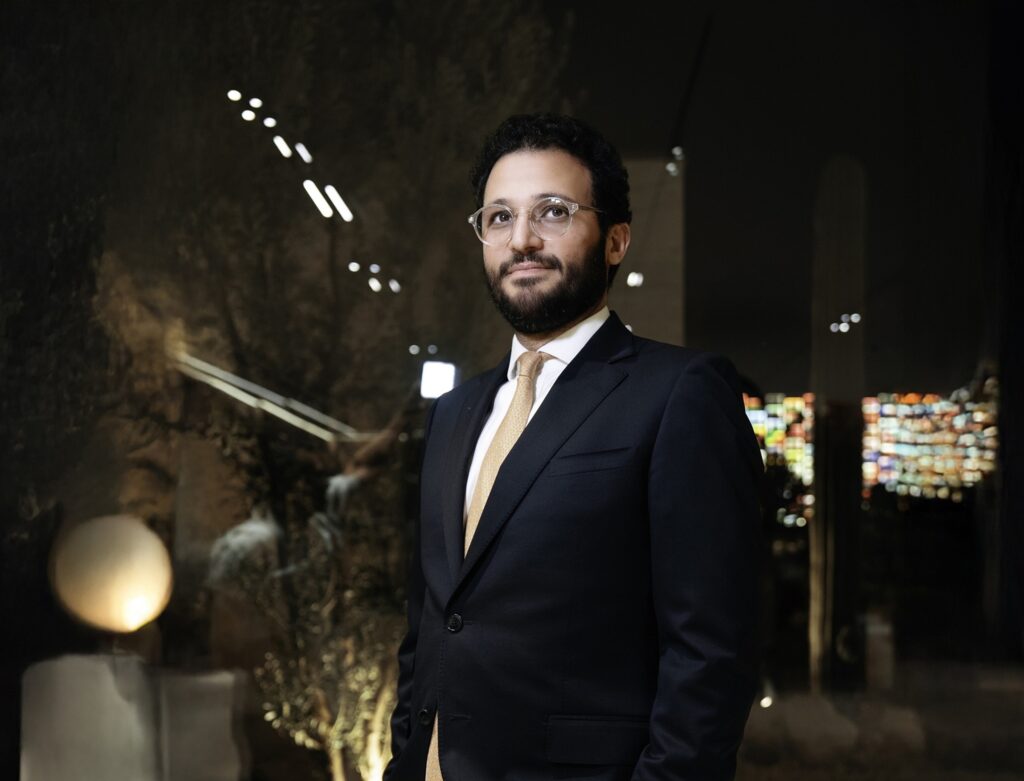
Talal M. Al Gaddah, CEO and Founder of the Keturah luxury brand, says a growing focus on health-conscious design will become a primary competitive differentiator for developers as they look to stand out and attract wealthy investors and buyers.
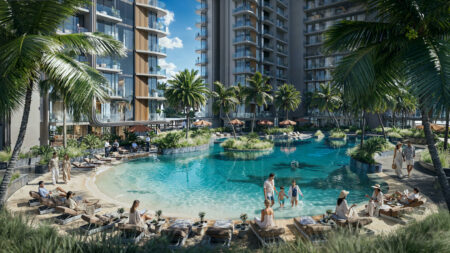
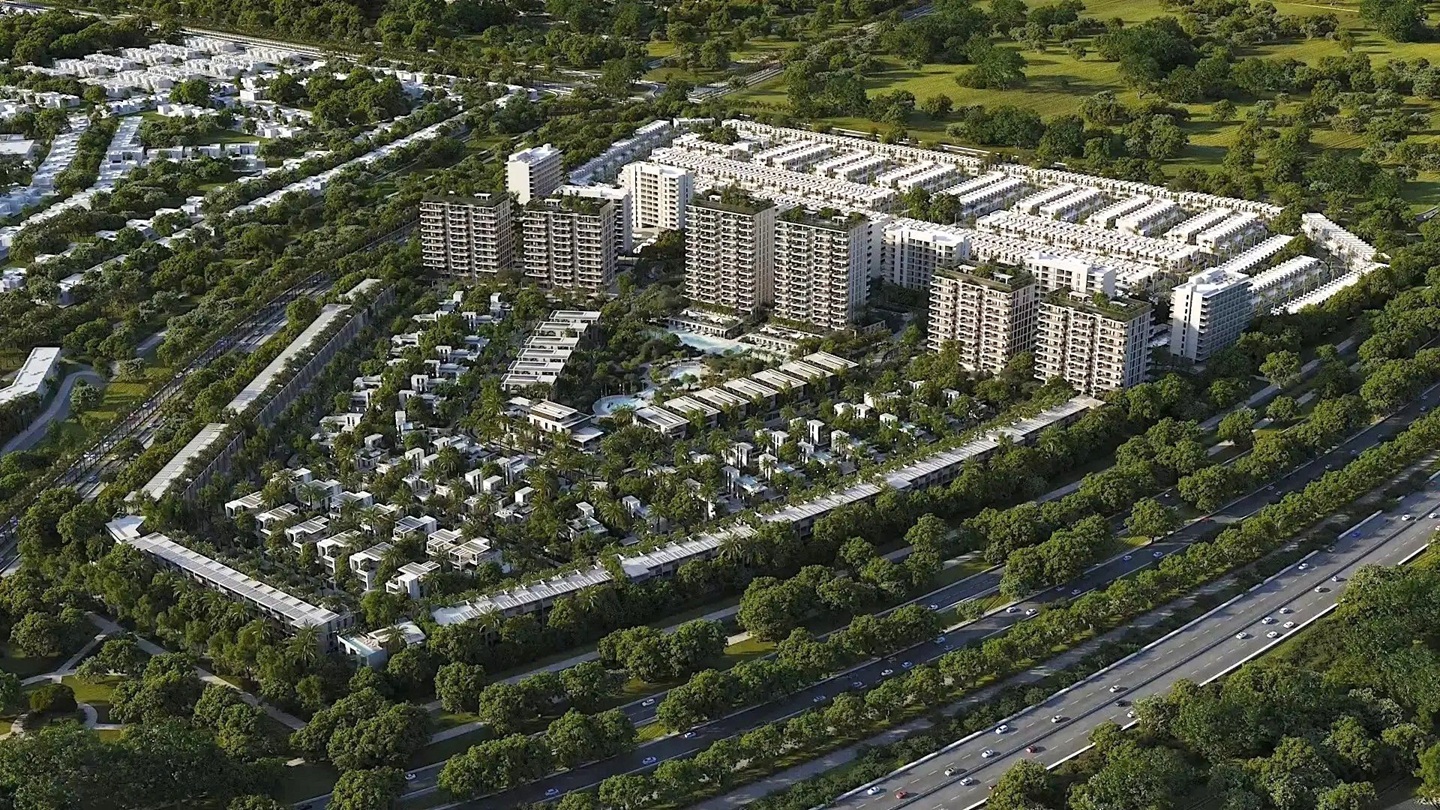
Keturah allocated AED200 million to proprietary antimicrobial tiling, breathable wall systems, and zero-VOC (harmful airborne chemicals) finishes at Keturah Reserve, the AED5.7 billion bio-living community under development at Mohammed Bin Rashid City’s District 7.
“This investment has established a new standard for Dubai’s premium residential sector, where construction quality is now being measured in health outcomes rather than aesthetic appeal alone, and it reflects a broader market evolution” says Talal.
“Dubai’s luxury sector has reached the point where discerning buyers expect materials engineered for our climate, not imported standards designed for temperate environments. We’re building homes where every surface contributes to healthier indoor living.”
Antimicrobial tiling prevents the growth and spread of bacteria, viruses, mould, and mildew, which reduces infections and allergic reactions.
Breathable wall systems address health risks linked to dampness, including respiratory conditions such as asthma, allergies and skin irritation, by stopping moisture build-up.
Antimicrobial tiles lower moisture risk within walls, roofs, or floors to block bacteria growth that can trigger asthma and respiratory infections.
The investment at Keturah Reserve follows peer-reviewed research published in 2025 that examined how standard building materials perform in Dubai’s hot, humid climate.
A study of new Dubai homes found that formaldehyde (HCHO) emissions from standard construction materials, which can have harmful effects on health, increase in hot and humid conditions.
A Building and Environment study showed that innovative low-emission finishes are 200% more effective at balancing humidity when compared with standard products, and reduce VOCs by up to 63%.
“The science confirms what forward-thinking developers already know – that the Gulf region requires engineering solutions specific to our environmental conditions,” said Talal. “These materials aren’t add-ons or upgrades. They’re fundamental to construction quality today.”
He expects the investment at Keturah Reserve to influence industry standards, as buyer awareness of indoor environmental quality continues to grow across Dubai’s premium residential sector.