

Listen to the article
These days, you’ll notice something a little strange if you walk into the break room of any cardiologist. A bottle of olive oil is nearly always present. Sitting next to someone’s lunchbox of lentils and roasted peppers is a proper dark-green bottle, usually Greek or Sicilian, rather than the cheap stuff in a plastic squeeze container. Although doctors don’t typically promote their personal habits, it’s easy to spot the pattern if you pay close attention.
The wellness debate in 2026 has been boisterous. GLP-1 microdosing, carnivore protocols, peptide stacks, and spacecraft-sounding fiber powders. However, when you ask doctors what they eat at home, the answer consistently returns to the same unglamorous location: the Mediterranean diet. In medical circles, it’s practically a silent joke. The majority of clinicians still adhere to the diet that consistently wins Best Overall in January and has withstood thirty years of trends. Simply put, they don’t post about it.
| Topic | 2026 Diet Trend — The Mediterranean Diet with High-Phenolic EVOO |
|---|---|
| Category | Nutrition, Longevity, Chronic Disease Prevention |
| Origin | Coastal regions of Greece, Italy, Spain, and Southern France |
| Core Ingredient | Extra Virgin Olive Oil (high-phenolic, cold-pressed) |
| Key Nutrients | Monounsaturated fats, polyphenols, omega-3s, fibre, antioxidants |
| Signature Compound | Oleocanthal — natural anti-inflammatory in EVOO |
| Recognition | Ranked #1 Best Diet by U.S. News & World Report for 8 consecutive years |
| Linked Benefits | Lower cardiovascular risk, reduced inflammation, better cognitive aging |
| Daily Practice | 3–4 tablespoons of EVOO, vegetables, legumes, fish, nuts, whole grains |
| Associated Lifestyle | Blue Zones longevity patterns, social meals, daily movement |
| Avoids | Ultra-processed foods, refined sugars, excessive red meat |
| Notable Endorsement | Backed by the American Heart Association and Harvard School of Public Health |
It’s not thrilling in the influencer sense, which is one of the reasons. There is no app, no membership tier, and no detox phase. You consume veggies. You use olive oil in your cooking. You eat fish a few times a week, lentils whenever possible, nuts for a snack, and wine if you’re into it. Because it doesn’t guarantee change by Friday, this kind of advice doesn’t go viral. However, if you ask a gastroenterologist what they would advise a patient with elevated inflammatory markers to do, they will frequently tell you to eat like the people of Crete did in 1960.
The science surrounding extra virgin olive oil, especially the high-phenolic types, has changed in 2026. The substance that causes the peppery sting at the back of your throat when you taste a great EVOO is called oleocanthal, and researchers have been studying it for the past few years. Biochemically, it functions similarly to ibuprofen, reducing inflammation without causing intestinal harm. Nutritionists believe that olive oil is a functional food that contains therapeutic compounds that the body actually recognizes and utilizes, rather than just a fat.
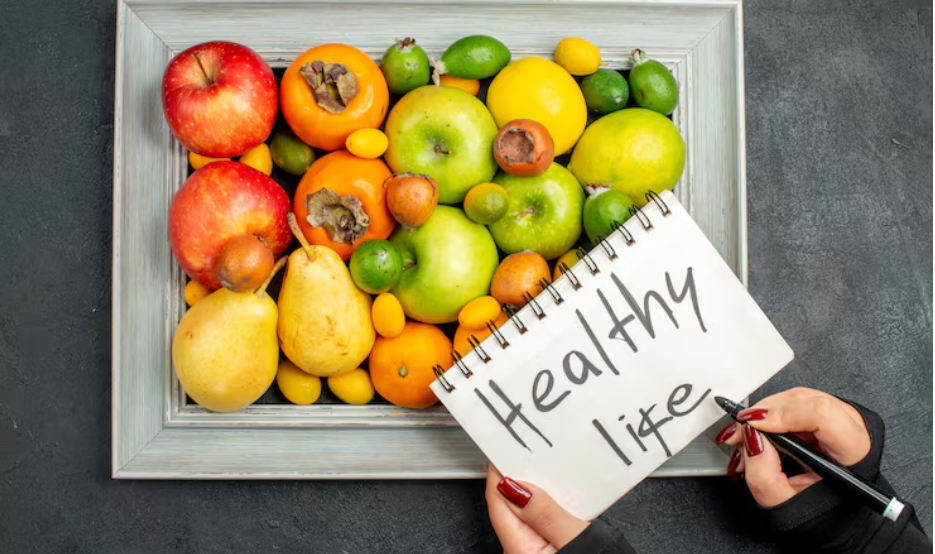
The contrast is difficult to ignore. While high-protein cookies and adaptogen powders that promise hormonal balance abound in supermarket aisles, your grandmother most likely recognized the diet that is subtly winning the long game. beans. Greens. whole grains. a bittersweet, green drizzle on top. There is nothing to sell, so doctors aren’t yelling about it. No founder story, no subscription model, and no proprietary blend. The world’s longest-living populations consistently exhibit a quiet pattern, a few skilled chefs, and decades of evidence.
Additionally, there is an intriguing development concerning GLP-1 users. Many people ask what to eat after stopping their medications, and doctors consistently suggest the same plant-forward, high-fiber, olive oil-anchored diet. The body’s satiety pathways are stimulated. Blood sugar is not crashed by it. In contrast to carnivore stretches or ketogenic phases, it is sustainable. Diets that don’t promise drama tend to lose the news cycle, so it’s still unclear if the general public will take notice. However, the answer appears to have already been determined in clinics, hospital cafeterias, and the kitchens of those who actually study this professionally.