




Listen to the article
Last year, bottles of probiotic yogurt and kombucha were kept in a tiny refrigerator close to the entrance of a health food store in Mumbai. Customers hesitated as they read labels promising improved mood, immunity support, and digestive balance. Watching the scene unfold, it was hard not to notice how casually the phrase “gut health” had entered everyday language. The phrase sounded clinical ten years ago. Today it feels almost conversational, whispered between friends comparing supplements or scanning grocery shelves.
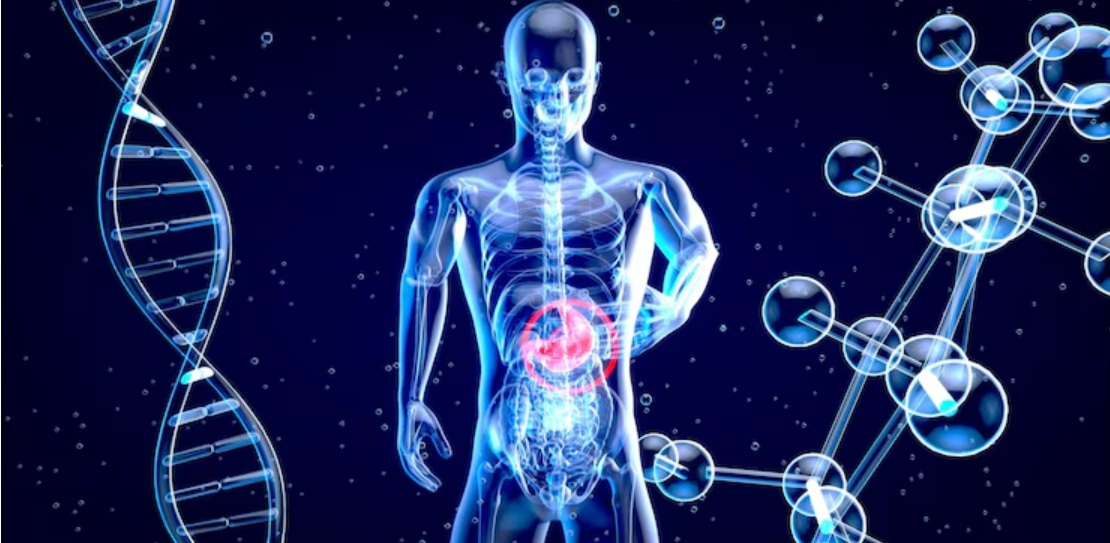
The increase in interest is not wholly unexpected. Over the past two decades, scientists studying the gut microbiome—the vast ecosystem of microbes living inside our intestines—have uncovered a long list of associations between gut bacteria and human health. These microbes produce vitamins, aid in food digestion, and create substances that affect metabolism and inflammation. Some researchers even refer to the gut as the body’s “second brain,” partly because chemical signals travel between the digestive tract and the nervous system.
| Category | Details |
|---|---|
| Scientific Topic | Gut Microbiome & Digestive Health |
| Main Focus | Relationship between gut bacteria, diet, immunity, and overall health |
| Microbial Population | Trillions of microbes including bacteria, fungi, and viruses |
| Key Health Links | Immunity, mental health, metabolism, skin health |
| Core Nutritional Drivers | Fiber, fermented foods, diverse plant-based diets |
| Emerging Research Areas | Probiotics, prebiotics, and postbiotics |
| Research Development | Microbiome sequencing and nutritional studies over the past 20 years |
| Key Scientific Question | Whether microbiome changes cause disease or simply correlate with it |
| Example Academic Institution | University of Wollongong microbiome research |
| Reference | https://www.ncbi.nlm.nih.gov |
However, another reality emerges when you walk down any wellness aisle. The marketing is easy, even though the science is complicated. Capsules promise balance. Drinks claim to “heal the gut.” The microbiome seems to be the newest canvas for the wellness sector.
The underlying biology is, to be honest, truly fascinating. Each person carries trillions of microbes, most of them living in the large intestine. Researchers once assumed these organisms were mostly harmless passengers. That view has changed dramatically. Studies now link microbial diversity—the variety of species in the gut—to improved metabolic health and stronger immune responses.
Yet even among scientists, certainty remains rare. It’s still unclear whether microbial changes cause diseases like diabetes or obesity, or whether illness alters the microbiome instead. The connection is undeniable. The direction of the relationship is still being sorted out.
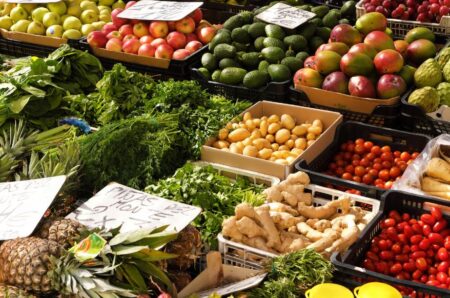
Much of the excitement centers on diet. Fiber, found in fruits, vegetables, and grains, feeds beneficial gut bacteria. When microbes ferment fiber, they produce compounds called short-chain fatty acids, which help maintain the lining of the gut and reduce inflammation. In practical terms, a bowl of lentils or a handful of oats may quietly influence a microscopic ecosystem inside the body.
Just that concept has altered the way that many nutritionists view food. They now discuss feeding microbial communities rather than just calories. A plate of vegetables becomes less about dieting and more about ecology.
Fermented foods have also gained a cultural following. In Seoul, jars of kimchi line market stalls. In Berlin, sauerkraut appears in cafés that once served only espresso. These foods contain both fiber and living microbes, creating what scientists call synbiotics—combinations of prebiotics and probiotics. They may help diversify gut bacteria, although the degree of benefit likely varies from person to person.
Supplements, however, are where skepticism tends to surface. Probiotic capsules often contain only a handful of bacterial strains. Scientists know that the gut contains hundreds, sometimes thousands, of species interacting in complicated ways. It’s possible that swallowing one or two strains may help certain conditions. But expecting them to reshape the entire microbiome might be optimistic.
Recent research has added another twist. Scientists are beginning to study “postbiotics,” which are essentially inactive microbes or the compounds they produce. Surprisingly, some studies suggest even dead bacteria may trigger helpful immune responses. One investigation in Europe found that heat-treated bacteria relieved symptoms of irritable bowel syndrome almost as effectively as live cultures.
The discovery feels slightly counterintuitive. For years the conversation centered on keeping bacteria alive in supplements or yogurt. Now researchers are wondering whether microbial fragments might carry benefits as well.
Meanwhile, consumer behavior tells its own story. In focus groups examining attitudes toward gut health, participants often equated a healthy gut with overall wellbeing. Many believed diet mattered, yet their choices were frequently shaped by social media or word of mouth rather than scientific guidelines. Evidence, it seems, competes with instinct and convenience.
There’s also a subtle psychological element. Digestive discomfort—bloating, irregularity, stomach pain—pushes people to experiment with food. When symptoms disappear, even briefly, the change can feel like proof that a particular diet or supplement works.
Still, the broader picture remains complicated. The microbiome is deeply personal. Two people eating the same meal may experience entirely different microbial responses. Genetics, sleep, stress, medication use, and even geography influence the gut ecosystem.
Watching the rapid spread of gut health culture, there’s a sense that society may be rediscovering an old nutritional truth. Diets rich in plants, fiber, and fermented foods have long appeared in traditional cuisines around the world. The microbiome simply offers a new explanation for why those habits might matter.
Whether the wellness industry’s enthusiasm will outpace the science remains uncertain. Researchers are still mapping this microscopic world, species by species, pathway by pathway.
But one thing feels increasingly clear. The gut is no longer viewed as a quiet digestive tube. It’s more like a crowded city of microbes, humming constantly beneath the surface of daily life. And the more scientists learn about that hidden city, the more complicated—and intriguing—the story becomes.