


Listen to the article
Residential sales reached AED 55.9bn, up 55.3% year on year, while commercial sales hit AED 17.1bn, up 82% year on year
Engel & Völkers Middle East has published its latest market report, which shows Dubai’s real estate market moving into a more settled phase of growth after several years of sharp gains. Demand remains strong, but buyers are becoming more selective, focusing on quality over volume in both residential and commercial property.
In the residential market, Dubai recorded 15,981 sales transactions in the period, up 20.8% year on year from 13,152 transactions in the same period last year. Total residential sales value reached AED 55.9 billion, a rise of 55.3% year on year. The fact that value growth is running well ahead of volume growth points to a clear shift towards higher-value purchases and prime locations.
The upper end of the market has been particularly active. Dubai recorded more than 1,000 transactions above AED 10 million in January alone, making it one of the strongest months on record for high-value residential sales. Buyers were active in both newer luxury communities such as The Oasis, Palm Jebel Ali, and Jumeirah Golf Estates 2, and in established prime areas including Palm Jumeirah and Nad Al Sheba. Apartments continued to lead overall transaction volumes, and average gross rental yields rose to 6.9%, which reinforces Dubai’s appeal to income-focused investors alongside owner-occupiers.
Price growth has remained positive across many key communities, though the pace has slowed compared to the strong gains recorded between 2023 and 2025. This suggests the market is settling into a more stable pattern, with buyers holding properties for longer and placing greater emphasis on buy-to-stay and buy-to-yield strategies.
Dubai’s commercial market has also started 2026 on firm ground. The sector recorded 1,446 sales transactions, up 23.7% year on year from 1,169 in the same period last year, with total sales value reaching AED 17.1 billion, a rise of 82% year on year. Offices and retail drove much of this activity, reflecting continued investor confidence in Dubai’s long-term commercial fundamentals.
The office segment has seen the sharpest movement. Transaction volumes rose 133% year on year, while the total value of offices sold increased by 296%. This reflects growing competition for well-located, Grade A office stock in core business districts. As ready supply tightens, buyers are committing earlier in the development cycle. Off-plan transactions accounted for 41.3% of commercial activity in the period, which points to the scale of demand for prime office space that is not yet available on the open market.
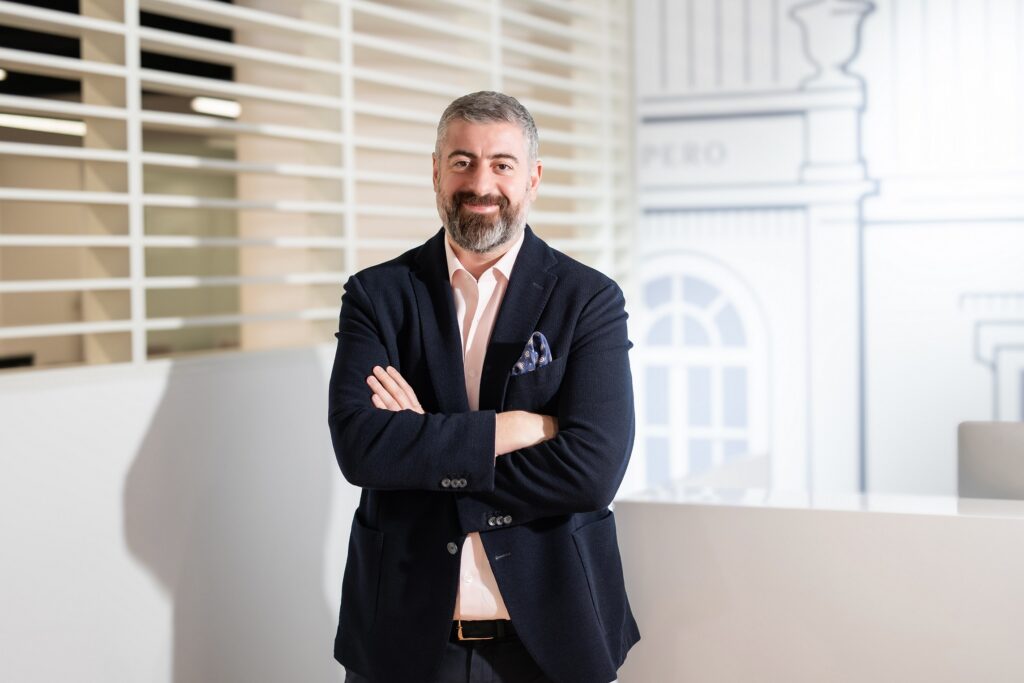
Commenting on the findings, Daniel Hadi, CEO of Engel & Völkers Middle East, said: “Dubai’s real estate market is demonstrating the characteristics of a more mature cycle, where demand is increasingly guided by quality, scarcity and long-term fundamentals. In residential, we are seeing continued expansion in premium transactions alongside more selective, value-driven decision-making across the market. In commercial, the acceleration in office transactions and values reflects tightening Grade A availability, driving a strategic shift towards the off-plan market as corporates and investors seek to secure long-term positioning. These dynamics reinforce Dubai’s status as a market defined by depth, liquidity and long-term resilience.”
The report points to a market that remains active but is becoming more differentiated. Prime residential and Grade A commercial assets continue to attract strong pricing and investor interest as Dubai moves into a more measured phase of growth.